How to House Train a Yorkie Puppy
Please call or text us at 718-306-4136
Please email us at Puppyboutique@aol.com
8002 17th Avenue, Brooklyn NY 11214
How to House Train a Yorkie Puppy
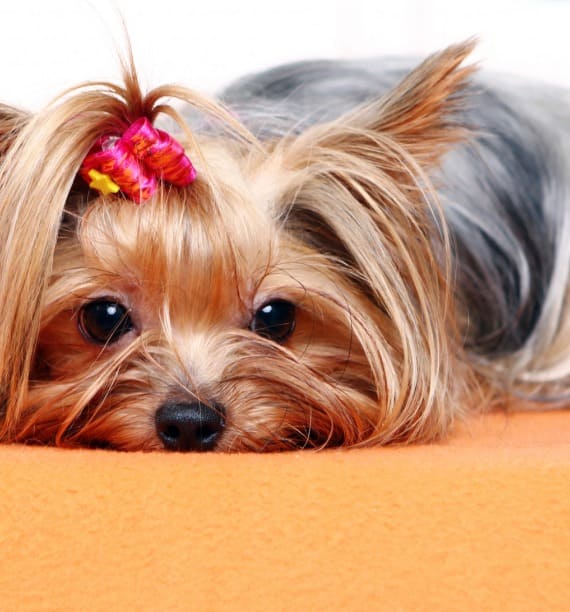
Understanding Your Puppy’s Needs
Observe your Yorkie puppy closely to learn their bathroom habits. Typically, puppies need to eliminate after meals, upon waking, and after vigorous play. Recognizing these patterns enables you to establish a consistent routine and minimize accidents.
Frequent Potty Breaks
Plan regular bathroom breaks according to your puppy’s age and activity level. This practice is crucial for effective potty training. As a general guideline, a puppy can usually hold their bladder for approximately one hour per month of age, plus one hour. For instance, a three-month-old puppy should ideally be taken out every four hours.
Consistent Spot
Take your Yorkie puppy to the designated spot for elimination consistently. The familiar scent will help reinforce their understanding of where to go.
Reward System
When your puppy successfully goes to the bathroom outside, praise them warmly and offer a treat. This positive feedback will motivate them to continue using the correct potty area.
Accident Handling
If your puppy has an accident, avoid scolding or punishing them. Thoroughly clean the area to remove any lingering scent that might draw them back. Instead, focus on reinforcing the desired behavior by increasing outdoor visits and making the training enjoyable for them.
House training involves teaching a dog to eliminate either outside or in a designated indoor spot. This essential part of pet ownership ensures the dog knows where it’s acceptable to go to the bathroom. It’s important for keeping a clean, hygienic home and for the dog’s comfort and well-being.
To successfully house train a dog, owners must be actively involved, using consistency, patience, and positive reinforcement. The process involves setting a routine, supervising the dog, and rewarding them for eliminating in the correct area. It’s important to recognize that house training takes time and accidents may occur. However, with persistence and the right methods, any dog can be effectively house-trained.

Introducing Yorkie Puppies
The Yorkshire Terrier, often called a Yorkie, is a small breed known for its vibrant personality. Here are some key traits that pet owners should understand.
Size and Appearance
Yorkies belong to the toy breed category and generally weigh under seven pounds. They have a compact body with well-proportioned features, including a small head, medium-sized eyes, and V-shaped ears. Their most distinctive characteristic is their long, silky coat, which typically displays a combination of steel blue and tan colors.
Temperament
Yorkies are recognized for their bold and confident nature. They are highly intelligent and energetic, though their protective instincts can sometimes manifest as aggression. Despite their small stature, they exhibit great bravery and may engage with larger dogs without realizing their size, potentially leading to confrontations.
Trainability
Yorkshire Terriers are intelligent and capable of learning quickly. However, their independent and occasionally stubborn nature can pose challenges during training. Early socialization and using consistent, positive reinforcement methods are the most effective approaches for training this breed.
Health
Yorkies typically enjoy good health but are susceptible to specific conditions common in their breed, such as dental issues, eye infections, and certain disorders affecting the knees, liver, and blood. Regular veterinary check-ups, a nutritious diet, and appropriate exercise are essential for maintaining their overall health and happiness.
Size Considerations for House Training
House training varies depending on the size of the dog. Smaller breeds like Yorkies have smaller bladders and need more frequent bathroom breaks during training. This means owners should expect more outings and potential accidents initially. Conversely, smaller breeds generally cause less damage indoors if accidents occur.
Larger breeds, with larger bladders, can hold urine longer, necessitating fewer outings. However, accidents can be more substantial and may require more intensive training. Adjusting training methods according to the dog’s size and needs is crucial.
Overall, house training requires patience, consistency, and positive reinforcement. Understanding a dog’s traits and needs aids in setting realistic training goals. With persistence, any dog can be successfully house-trained, regardless of size or breed.
Introducing Yorkie Puppies
The Yorkshire Terrier, often called a Yorkie, is a small breed known for its vibrant personality. Here are some key traits that pet owners should understand.
Size and Appearance
Yorkies belong to the toy breed category and generally weigh under seven pounds. They have a compact body with well-proportioned features, including a small head, medium-sized eyes, and V-shaped ears. Their most distinctive characteristic is their long, silky coat, which typically displays a combination of steel blue and tan colors.
Temperament
Yorkies are recognized for their bold and confident nature. They are highly intelligent and energetic, though their protective instincts can sometimes manifest as aggression. Despite their small stature, they exhibit great bravery and may engage with larger dogs without realizing their size, potentially leading to confrontations.
Trainability
Yorkshire Terriers are intelligent and capable of learning quickly. However, their independent and occasionally stubborn nature can pose challenges during training. Early socialization and using consistent, positive reinforcement methods are the most effective approaches for training this breed.
Health
Yorkies typically enjoy good health but are susceptible to specific conditions common in their breed, such as dental issues, eye infections, and certain disorders affecting the knees, liver, and blood. Regular veterinary check-ups, a nutritious diet, and appropriate exercise are essential for maintaining their overall health and happiness.

Lifespan: Yorkshire Terriers generally have a longer life expectancy compared to many other breeds, typically living between 12 to 15 years, and some even longer with proper care.
Exercise Needs:Despite their small size, Yorkshire Terriers are quite active and need regular exercise to maintain their physical fitness and mental stimulation. Daily walks, playtime, and engaging with puzzle toys are effective ways to fulfill their exercise requirements.
Grooming: Due to their long, silky coat, Yorkies require thorough grooming. Regular brushing is essential to prevent the matting and tangling of their fur. Many owners choose to maintain their Yorkies with a “puppy cut” to minimize grooming needs.
Understanding these traits can assist prospective Yorkshire Terrier owners in deciding if this breed matches their lifestyle and in offering optimal care.
Steps in Potty Training Your Yorkie Puppy
It’s best to begin potty training your Yorkie puppy when they’re between 12 to 16 weeks old and have developed control over their bladder and bowel movements. However, each puppy matures differently, so start training immediately if your puppy is older than 12 weeks when you bring them home. Consistency, patience, and positive reinforcement are essential for successful Yorkie potty training, regardless of their age. Understand that accidents are part of the learning process, and with time and persistence, your puppy will learn to use the designated potty area effectively.

Supplies Needed For House Training A Yorkie Puppy
Crate: Utilizing a crate is essential in crate training a Yorkshire Terrier puppy. It provides a secure and cozy environment for the puppy when supervision isn’t possible. Because dogs instinctively avoid soiling their sleeping area, a crate encourages them to wait until they’re taken outside. Opt for a crate that allows the puppy enough space to stand, turn around, and lie down comfortably to ensure their crate training experience is positive.
Puppy Pads: These pads are beneficial, especially during the initial stages of dog training. They can be positioned indoors in a designated bathroom or potty area. Given their small size, Yorkies may need to relieve themselves more frequently compared to larger breeds.
Leash: A leash is essential for guiding your Yorkie outside during bathroom breaks and ensuring their safety in outdoor environments.
Treats: Treats play a crucial role in positive reinforcement training. Reward your Yorkie with treats when they eliminate in the correct spot to encourage this behavior.
Cleaning Supplies: Accidents are inevitable during house training. Keep pet-friendly cleaning supplies handy to promptly clean up any messes. Enzyme-based cleaners are effective in eliminating odors and discouraging the puppy from repeating accidents in the same spot.
Baby Gates: These gates are valuable for restricting your Yorkie puppy’s access to specific areas of the house during training. They help prevent accidents and allow you to supervise your puppy in a controlled environment.
Potty Training Your Yorkie Puppy
Housebreaking Yorkshire Terriers demands persistence, regularity, and a well-defined strategy. Begin by identifying a suitable outdoor spot where your puppy can relieve itself. Ensure this area is easily reachable and free from distractions.
Establish a Routine
Yorkies benefit from regularity and a set routine. Set specific times for meals, playtime, and bathroom breaks, and maintain consistency. Generally, puppies need to relieve themselves after meals, play sessions, or waking up from naps.
Supervision and Guidance
During the early stages of potty training Yorkies, closely supervise your pup. Use a leash to lead them to the designated outdoor area whenever it’s time for a bathroom break. This helps them learn the proper place to go.
Use of Command Words
When guiding your puppy to the designated bathroom area, employ a straightforward command such as “Potty Time”. Consistent use of this command will help your puppy learn where they should go.
Praise and Reward
Once your puppy successfully uses the designated spot, promptly praise them and offer a treat. This reinforces their good behavior and motivates them to continue using the correct area.
Dealing with Accidents
If your puppy has an accident indoors, ensure to clean the area thoroughly using an enzyme-based cleaner to eliminate odors and discourage them from using the same spot again. Avoid punishing or scolding your puppy, as it can cause fear and confusion.
Potty training requires patience and persistence. If you’re not seeing immediate progress, remain consistent with your approach and continue using positive reinforcement. Eventually, your efforts will pay off.
Common Challenges and Solutions In House Training
Frequent Accidents
A common issue in house training is frequent accidents, particularly for smaller breeds such as Yorkies, which have smaller bladders and need to relieve themselves more often. Reduce the time between your dog’s bathroom breaks, especially after meals, play sessions, and naps. Consistency is crucial to success.
Inconsistent Routine
Dogs rely on routine, and inconsistency can confuse them, resulting in accidents. Set and maintain a regular schedule for feeding and bathroom breaks. This helps your dog know when it’s time to go potty.
Failing to Signal When Needing to Go Out
Occasionally, a puppy may struggle to signal when they need to go outside, which can result in accidents. Teaching your dog to use a bell or another signal can be helpful. Reward them when they successfully use the signal to indicate their need to go out, reinforcing this behavior.
Distractions While Outside
Puppies can easily get distracted while outside and forget to eliminate, leading to accidents indoors later. Establish a specific area outdoors designated as their “bathroom” and direct them there directly during potty breaks. Keep outdoor trips focused on the task at hand and reward them when they eliminate successfully.
Fear of the Crate
Some puppies may feel uneasy in a crate, which can hinder their effectiveness in house training. Transform the crate into a positive environment by never using it as a form of punishment. Use treats, toys, and comfortable bedding inside the crate to make it inviting for your puppy.
Dog owners need to have realistic expectations when house-training or potty-training their pets. Puppies and younger dogs typically require more time to learn and adjust to routines. Accidents are normal during this process and should not result in harsh punishment. Instead, continue to use positive reinforcement for desired behaviors. Even adult dogs, if they haven’t been house-trained before, may take weeks to months to fully understand. Patience is key, as every dog learns at its own pace. Understanding your dog’s unique needs and learning style is essential for setting attainable goals in house training.