What to Look for When Buying a Puppy: The Ultimate Guide for New Owners
Please call or text us at 718-306-4136
Please email us at Puppyboutique@aol.com
8002 17th Avenue, Brooklyn NY 11214
What to Look for When Buying a Puppy: The Ultimate Guide for New Owners
Dog ownership can be an exciting and rewarding experience, especially when you’re ready to adopt a puppy. However, most puppies are a lot of work, and can quickly become overwhelming for new dog owners that skipped out on research.
Don’t fret! It’s never too soon to start learning about puppy behavior and well-being.
To become the best pet parent you can be, this guide will explore what to look for when searching for a new puppy, and after you bring them home. From picking the ideal breeder to determining your puppy’s food, read on to learn how to choose the best puppy for your home and raise them effectively.

Why Research Matters For You and Your New Furry Friend
Knowing what to look for when buying a puppy is about more than just aesthetics. Anything from the breed’s size and disposition to the impact of poor breeding puppy health can all play a role in how well a new dog adjusts to your home.
For instance, if you live an active lifestyle in town, a Miniature Poodle or Cavalier King Charles Spaniel might be the perfect option. Conversely, a German Shepard may struggle with guarding tendencies in highly-populated areas, or a Pug may struggle to keep up with your exercise routine. Of course, every individual dog has their own personality, but understanding broader trends is helpful for pairing you with the right puppy.
The Pre-Adoption Checklist: What To Look For Before Getting a Puppy
1. Choosing The Best Dog Breed For Your Family
- Sporting: These breeds are distinguished by their ability to point, flush, or retrieve game. They’re known for being energetic, intelligent, and outdoorsy, making them excellent hunting companions. (e.g., Labrador Retriever, Cocker Spaniel).
- Hound: Also hunters by nature, these classic breeds are known for their ability to spot or sniff out prey. (e.g., Beagle, Greyhound)
- Working: Loyal and protective, these breeds often serve in police K-9 units or search and rescue teams. Their high drive and boundless energy make them best suited for experienced owners. (e.g., German Shepard, Rottweiler)
- Terrier: Feisty, fearless, and active, terriers are the tiny version of their larger hunting companions. (e.g., Westie, Miniature Schnauzer)
- Toy: Small, affectionate, and perfect for apartments, toy breeds can vary from high to low-energy options. (e.g., Maltese, Yorkie, Chihuahua)
- Herding: Intelligent and energetic, these highly trainable dogs need to use their herding instincts regularly to feel fulfilled. (e.g., Border Collie, Australian Shepherd)
- Non-Sporting: This diverse group covers a unique range of sizes and personalities, in part due to the inability to categorize elsewhere. (e.g., Shih Tzu, French Bulldog, Poodle)
Things to Consider:
- Energy levels: Are you active or more relaxed? Daily jogs are perfectly compatible with huskies and pointers, while a more sedentary lifestyle may work better for toy or non-sporting breeds.
- Grooming needs: Do you have allergies, or want a low-maintenance coat? Dogs like Huskies shed frequently, while Poodles are a more hypoallergenic option.
- Noise tolerance: Some breeds are more vocal than others, so if you live in an area with noise policies, be sure to research your desired breed’s tendencies beforehand.
- Family dynamics: Consider children, elderly family members, and other pets. Bully breeds may struggle with social dynamics, while a Shih Tzu puppy might excel in the same situation.
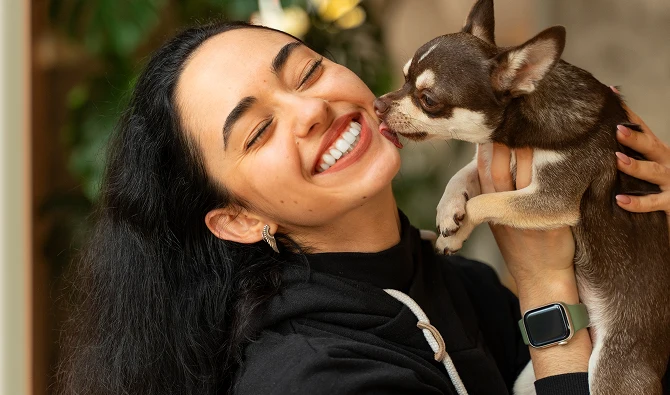
2. Finding a Responsible Breeder
- Health Testing & Records: A well-adjusted puppy is free from health issues, which is why quality breeders health test both parent dogs. They should also provide vaccination and vet records for both parents and puppies.
- Transparency: Transparency is key for ensuring the first few weeks of a puppy’s life set them up for success in the future. Ethical breeders will have no issue allowing you to meet the puppy’s parents and explore their living environment.
- Professional Affiliation: The best breeders are often affiliated with breed clubs or vet-recommended organizations. You can also ask your vet for advice or recommendations.
Signs of Unethical Breeding
- Multiple litters available year-round, despite a lack of parent dogs.
- Poor living conditions or lack of access to the puppies’ living environment.
- No medical records or unwillingness to provide health screenings.
- No questions asked about you or your living situation.
- Willingness to release puppies early.
- Unsafe shipping or delivery practices.
3. Picking The Right Puppy
- Which puppies are the calmest or playful?
- Which puppies stand out as more or less independent?
- Have any of the puppies shown signs of shyness or anxiety?
- When the puppy interacts with their littermates, are they more dominant or submissive?
- Does the puppy excel in training classes?
- Which puppy do you think would be the best fit for a home with kids?
- Have the puppies been introduced to any basic handling or household noises?
- Do you recommend a male or female puppy for my home?
- How does this puppy respond to new people or environments?
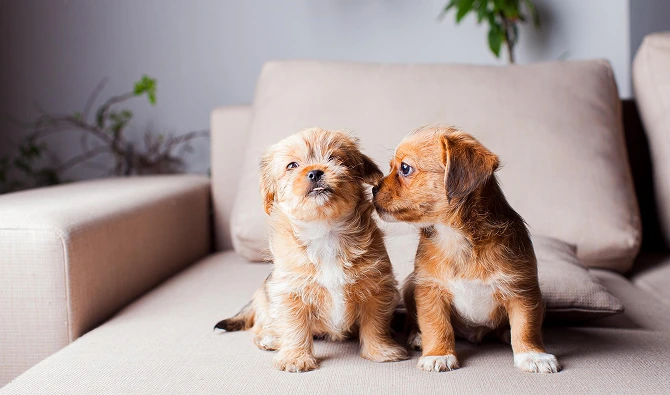
Preparing For Your New Puppy's Arrival
1. Puppy-Proof Your Home
When buying a puppy, you’ll want to make sure that your home is prepared beforehand. After all, your curious new pup will be eager to explore with their nose, paws, and teeth, so making sure they can’t get hold of something dangerous is essential.
Luckily, puppy-proofing your home is as easy as a few simple steps:
- Cords & outlets: No cord is safe from a puppy’s jaws, and chewing through one can cause electrical injuries—especially among small dogs. Hide or cover loose cords, chargers, and outlets to prevent chewing.
- Trash bins: As tempting as the throw-away food might smell to your new puppy, keeping them out of the trash can is essential for their health and safety. Ensure trash bins stay out of reach by hiding them behind cabinets, or consider investing in a lidded trash can.
- Cleaning Supplies: Most cleaning supplies are just as toxic to dogs as they are to humans, but unfamiliar smells can cause your puppy to interact with these substances in dangerous ways. Always keep cleaning supplies hidden in draws and cabinets that can’t be opened by your puppy.
- Small objects: Just as you would with a small child, pick up anything your puppy might swallow—like toys, socks, or coins.
- Stairs & furniture: To avoid injury, puppies need to learn how to use the stairs safely. This process takes time, so use baby gates to block off restricted or unsafe areas while you train.
- Toxic plants & foods: Double-check for dangerous items like chocolate, grapes, lilies, or any other toxic food and plants around your home.
2. Purchase Essential Supplies
- Crate: If you plan on crate training your dog, it’s best to purchase one beforehand. Choose based on material and size, ensuring your puppy can comfortably stand, turn around, and lie down.
- Food & water bowls: Choose bowls that are easy to clean. We generally recommend either stainless steel or ceramic options.
- Grooming supplies: From de-shedding brushes to hypoallergenic shampoos, you can prepare for your puppy by purchasing grooming supplies based on their breed.
- Collar, leash & ID tag: Essential for making sure your new furry friend doesn’t get lost, be sure to include your contact info on their tag. Getting your puppy used to wearing a collar early on is also beneficial for walk time, as they’ll adapt to it sooner.
- Age-appropriate food: Ask the breeder what brand your puppy is eating to avoid digestion issues. If you plan on switching food brands, you should out to your vet for recommendations and slowly phase out the old food.
- Toys & chews: Choosing a variety of different toys—soft plush, teething toys, and interactive puzzles—can help you determine how your puppy likes to play.
- Puppy pads & cleaning supplies: It typically takes more than a few training sessions to ensure potty breaks are always outside. Be prepared for accidents with the right tools on hand.
3. Register Your Puppy
- Microchip registration
- AKC registration
- License with local authorities
- Vet appointment
- Pet insurance
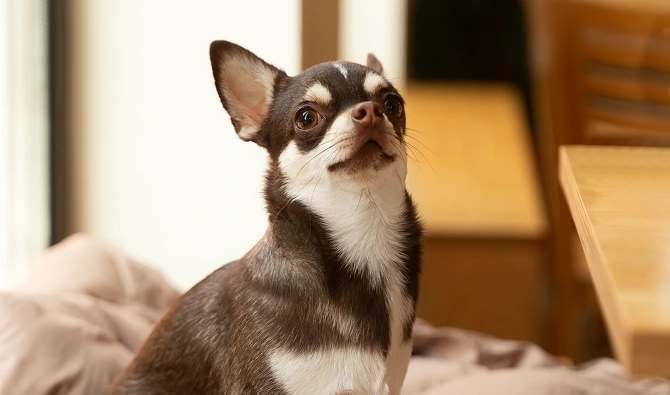
After You Bring Your Young Puppy Home
1. Establish a Consistent Routine
- Feeding times
Depending on the breed and size of the puppy, offer 2–4 meals at the same time per day to puppies. Small breeds may be prone to hypoglycemia, making frequent meals even more important. - Bathroom breaks
As a general rule, potty breaks should occur at least once every 2 hours after waking, eating, or playing. This will help your puppy learn where to use the bathroom, making accidents less frequent. - Exercise & play
Schedule short, age-appropriate play sessions to burn off energy and prevent boredom. These can be both indoors and outdoors, but do be mindful of your puppy’s size and limitations while playing. - Grooming
Even if your puppy’s coat doesn’t have as many grooming needs as an adult coat, brushing and bathing helps them get comfortable being handled, on top of boosting their health. Don’t forget ears, paws, or teeth either. Grooming requirements will vary greatly by breed, so always research breed-specific requirements beforehand.
2. Start Basic Obedience and Potty Training
Learning basic commands and behavior norms will help guide your puppy throughout their lifetime, which is why training should begin right away. Whether you opt for training classes or take on the job yourself, it’s important to keep your puppy’s attention with short, fun, and reward-based sessions.
Here are some key things to focus on, as well as some basic tips for successful training:
Potty Training
House training your puppy is all about consistency, and you can set them up for success with a predictable routine filled with positive reinforcement.
Step-by-step tips:
- Take your puppy outside at least once every 2 hours, and immediately after meals, naps, and playtime.
- Choose a designated potty spot in your yard to encourage familiarity and consistency.
- Praise and reward your puppy immediately after they go to the bathroom outside.
- Watch for signs like sniffing, circling, or whining, and take them out right away.
- If there’s an accident, avoid punishment, and instead clean thoroughly to remove lingering odors. This helps young puppies avoid potty-related confusion in the future.
Crate Training
Step-by-step tips:
- Place the crate in a quiet but central area of the home.
- Make the crate feel cozy with your puppy’s favorite blanket or stuffed animal.
- Allow your puppy to explore the crate freely by leaving the door open.
- Gradually practice shutting the door and increase crate time with calm praise.
- Never use the crate as punishment—this should always be a safe space.
Basic Cues
Step-by-step tips:
- Begin with “Sit”: To get your puppy to sit, hold a high-value treat near their nose and slowly move it back toward their ears. If their bottom lowers to the ground, say “Sit” and provide a reward.
- Introduce “Come”: Couch down and excitedly call for your puppy to “Come!”. The more excited, the better. If they approach, follow with a treat or toy.
- Practice “Stay”: First, have your puppy sit. Then hold your hand up like a stop sign and start stepping back slowly. Reward your dog any time they sit still as you back away, gradually getting further and further away before giving the reward.
- Leash Walking: With a short leash and collar, have your puppy get used to the feeling first. Reward your puppy for walking beside you without pulling.
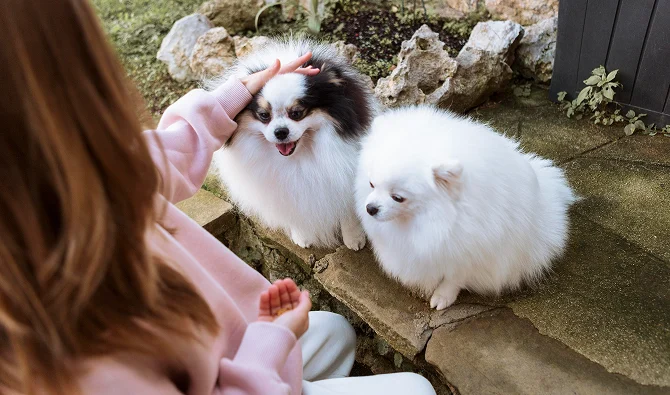
3. Start Socializing with Other Dogs and Pet Owners
While a responsible breeder will have started the socialization process, continuing it through your puppy’s adolescence is essential. Positive interactions during their first year will help your puppy grow into a friendly, confident adult dog.
Here are some safe and gradual ways to socialize:
- Puppy classes: Guaranteed to be safe with supervision and other vaccinated puppies, these classes can help your furry friend meet other puppies and people.
- Meet friendly adult dogs: Schedule play dates with well-behaved dogs owned by family and friends in a controlled setting.
- Expose to new sights & sounds: Safely introduce your puppy to car rides, doorbells, uniforms, and other harmless objects and experiences that could scare them if introduced incorrectly.
Trust Puppy Boutique For Healthy Toy & Teacup Puppies
If you’re looking for an ethical breeder that guarantees healthy, trainable standard, teacup, or toy puppies free from predictable genetic health conditions, opt for Puppy Boutique. We treat all of our puppies and parent dogs like family, and ensure you always receive accurate health records.
Explore our available purebred dogs today. We work with Yorkshire Terriers, Maltese, Shih Tzus, Chihuahuas, Pomeranians, and Poodles.
Phone 718-306-4136
Email puppyboutique@aol.com
Address 8002 17th Ave, Brooklyn, NY 11214