Common Issues in Purebred Puppies and How to Prevent Them
Please call or text us at 718-306-4136
Please email us at Puppyboutique@aol.com
8002 17th Avenue, Brooklyn NY 11214
Common Issues in Purebred Puppies and How to Prevent Them
Purebred puppies are beloved for their distinct appearances, predictable traits, and often gentle temperaments. Many families choose them for these qualities, hoping to enjoy a companion with both beauty and personality tailored to their lifestyle. Puppy Boutique emphasizes that along with these desirable traits, purebred puppies can be prone to certain health issues due to genetic factors and selective breeding practices.
Understanding these potential health concerns early is essential for any puppy owner. Awareness allows for timely interventions, proper care, and monitoring that can significantly improve a puppy’s quality of life. Recognizing warning signs and knowing what to expect can help prevent minor issues from becoming serious health problems.

Dog Breeds
Different dog breeds often come with specific health predispositions due to genetics and selective breeding. Understanding these breed-specific risks can help owners provide better care and take preventive measures early. Certain physical traits, such as short noses, long backs, or large size, can make some breeds more susceptible to particular health problems.
Some examples of high-risk breeds and their common issues include:
- German Shepherds: prone to hip dysplasia and joint problems.
- Bulldogs and Pugs: susceptible to breathing difficulties and brachycephalic airway syndrome.
- Golden Retrievers and Labradors: higher risk of certain heart conditions and joint issues.
- Cocker Spaniels and Beagles: more likely to develop ear infections due to floppy ears.
- Boxers and Newfoundlands: predisposed to heart conditions such as aortic stenosis.
Being aware of these breed-specific risks allows owners to monitor for early signs, implement preventive care, and work closely with veterinarians to maintain their puppy’s health.
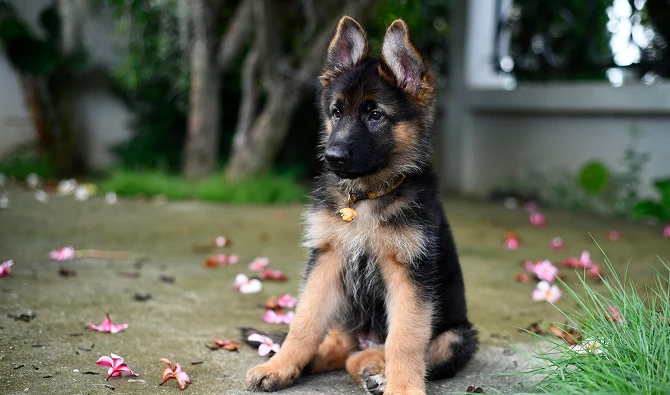
Health Problems in Purebred Puppies
Purebred puppies can be more susceptible to certain health problems due to inherited traits and selective breeding practices. These issues can range from joint and skeletal disorders to heart, eye, and ear conditions. While not every purebred puppy will experience these problems, awareness of potential risks helps owners provide proactive care and ensure a healthier life for their pets.
Some common health problems in purebred puppies include:
- Joint and skeletal issues such as hip dysplasia and elbow dysplasia.
- Heart conditions like aortic stenosis or other congenital defects.
- Eye problems including cataracts, cherry eye, and progressive retinal atrophy.
- Ear infections often caused by ear shape, allergies, or poor hygiene.
- Breathing difficulties especially in brachycephalic breeds like Bulldogs and Pugs.
Regular veterinary checkups are crucial for detecting these issues early. Early detection allows for timely interventions, proper treatment plans, and preventive measures. Routine exams, vaccinations, and screenings tailored to the puppy’s breed and age help ensure long-term health and reduce the risk of serious complications.
Joint and Skeletal Issues
Joint and skeletal problems are common in many purebred puppies due to genetic factors and selective breeding. These conditions can affect mobility, growth, and overall quality of life. Understanding the signs, risks, and preventive measures is essential for keeping puppies active and healthy.
Hip Dysplasia
Hip dysplasia is a genetic condition where the hip joint does not develop properly, causing instability and potential arthritis over time. Large breeds such as German Shepherds, Golden Retrievers, and Labradors are particularly prone to this condition. Signs to watch for in puppies include:
- Difficulty standing or rising from a lying position
- Limping or favoring one hind leg
- Reduced activity or reluctance to run and jump
- Audible clicking or popping in the hip area
Prevention strategies focus on promoting healthy growth and strong joints. These include:
- Feeding a balanced diet appropriate for the puppy’s breed and size
- Maintaining a healthy weight to reduce stress on joints
- Providing controlled exercise that avoids high-impact activities while the puppy is growing
- Regular veterinary checkups and early screenings for high-risk breeds
Joint Problems
Beyond hip dysplasia, purebred puppies can experience other joint issues such as elbow dysplasia, patellar luxation, and osteochondritis dissecans. These conditions can cause pain, lameness, or difficulty with movement. Early recognition and intervention are key to managing joint problems effectively.
Preventive measures and care include:
- Routine vet exams to detect abnormalities early
- Joint supplements when recommended by a veterinarian
- Proper nutrition to support bone and joint development
- Avoiding excessive exercise that puts stress on growing joints
By addressing joint and skeletal health proactively, owners can help their purebred puppies maintain mobility, comfort, and an active lifestyle throughout their lives.

Eye and Ear Health
Eye and ear health are important aspects of overall well-being in purebred puppies. Certain breeds are more susceptible to specific eye and ear conditions, making regular monitoring and preventive care essential for maintaining comfort and vision.
Eye Problems
Eye problems in puppies can range from minor irritations to serious conditions that affect vision. One common issue is Cherry Eye, which occurs when the gland of the third eyelid protrudes and becomes visible. Other eye concerns can include cataracts, glaucoma, and progressive retinal atrophy. Signs to watch for include:
- Redness or swelling around the eyes
- Excessive tearing or discharge
- Cloudiness or changes in eye color
- Pawing at the eyes or rubbing the face
Prevention and care strategies include:
- Regular veterinary eye exams, especially for breeds prone to hereditary conditions
- Keeping the eyes clean and free from debris
- Monitoring for early signs of irritation or infection
- Prompt veterinary care if abnormalities are noticed
Ear Infections
Ear infections are common in many purebred puppies, particularly those with floppy ears, narrow ear canals, or a history of allergies. Symptoms of ear infections include:
- Scratching or shaking the head frequently
- Redness, swelling, or odor in the ear
- Discharge or buildup of wax
- Sensitivity or pain when the ear is touched
Preventive measures for ear health include:
- Regularly cleaning ears with veterinarian-approved solutions
- Keeping ears dry after baths or swimming
- Monitoring for signs of infection and seeking prompt treatment
- Avoiding over-cleaning, which can irritate the ear canal
Maintaining eye and ear health in purebred puppies helps prevent discomfort, infections, and long-term complications, ensuring a happier and healthier puppy.
Breathing and Heart Concerns
Breathing and heart issues are serious health concerns in certain purebred puppies. These conditions can affect overall activity, growth, and long-term quality of life. Early recognition and proper care are essential for managing these risks effectively.
Breathing Problems
Some breeds, particularly those with short noses like Bulldogs, Pugs, and Boston Terriers, are prone to brachycephalic airway syndrome. This condition can cause difficulty breathing, snoring, and increased risk of overheating. Signs of breathing problems include:
- Noisy or labored breathing
- Excessive panting or fatigue during activity
- Blue-tinged gums or tongue
- Gagging or coughing, especially after eating or exercise
Management and lifestyle adjustments for these puppies include: - Avoiding strenuous exercise and hot weather exposure
- Maintaining a healthy weight to reduce strain on the airways
- Using elevated feeding bowls if recommended by a veterinarian
- Regular veterinary checkups to monitor respiratory health
Aortic Stenosis
Aortic stenosis is a congenital heart condition that affects blood flow from the heart to the rest of the body. Breeds such as Golden Retrievers, Boxers, and Newfoundlands are more likely to develop this condition. Signs to watch for include:
- Weakness or fainting during activity
- Labored or rapid breathing
- Poor growth or fatigue
- Heart murmurs detected during veterinary exams
Preventive care and monitoring involve:
- Routine veterinary checkups including heart screenings
- Avoiding excessive physical stress on affected puppies
- Prompt treatment of any signs of heart distress
- Following a veterinarian’s recommendations for long-term care
Being aware of breathing and heart concerns allows owners to provide supportive care, reduce risks, and ensure their puppies lead active and healthy lives.

Choosing a Good Breeder
Selecting a responsible breeder is one of the most important steps in preventing health issues in purebred puppies. Puppy Boutique is committed to ethical breeding practices that prioritize the health and well-being of every dog, reducing the risk of genetic problems through careful selection and care. Puppies from Puppy Boutique have a strong foundation for a healthy life.
Traits of reputable breeders include:
- Conducting health screenings for common breed-specific conditions
- Providing vaccinations, deworming, and early veterinary care
- Maintaining detailed records of lineage and genetic testing
- Offering guidance on proper care, nutrition, and training for puppies
Before purchasing a puppy, prospective owners should ask important questions:
- What health tests have the parents undergone?
- Can you see the puppy’s living environment and meet the parents?
- Are there any known hereditary issues in the lineage?
- What support and guidance will the breeder provide after bringing the puppy home?
By choosing a responsible breeder, Puppy Boutique, owners can significantly reduce the likelihood of inherited health problems and give their puppy the best start in life.

Maintaining Overall Dog Health
Maintaining a purebred puppy’s health requires consistent daily care, proper nutrition, and attention to physical and mental well-being. Feeding a balanced diet suited to the puppy’s breed, size, and age supports growth and development. Regular exercise helps build strong muscles and joints while preventing obesity. Staying up to date with vaccinations and deworming schedules protects puppies from infectious diseases.
Early socialization and proper training are also essential for a puppy’s overall well-being. Introducing puppies to a variety of people, pets, and environments helps them develop confidence and reduces the risk of behavioral problems. Positive reinforcement training strengthens the bond between owner and puppy and promotes lifelong good behavior.
Routine veterinary visits and preventive care measures play a critical role in maintaining health. These include:
- Regular wellness exams to detect early signs of illness
- Preventive treatments such as flea, tick, and heartworm prevention
- Dental care and grooming to maintain hygiene
- Monitoring growth, weight, and developmental milestones
By following these practices, owners can ensure their purebred puppies grow into healthy, happy, and well-adjusted adult dogs.
Purebred puppies can face health challenges such as joint and skeletal issues, eye and ear problems, breathing difficulties, and heart conditions. Puppy Boutique emphasizes awareness of these risks so owners can take proactive steps through responsible breeding, proper daily care, regular veterinary checkups, and preventive measures. Prioritizing nutrition, exercise, early socialization, and monitoring for early signs of illness helps ensure puppies grow into healthy, thriving adult dogs with a strong foundation for a long, happy life.
Phone 718-306-4136
Email puppyboutique@aol.com
Address 8002 17th Ave, Brooklyn, NY 11214