Puppy Nutritional Essentials: A Guide to Keeping Your New Pup Healthy
Please call or text us at 718-306-4136
Please email us at Puppyboutique@aol.com
8002 17th Avenue, Brooklyn NY 11214
Puppy Nutritional Essentials: A Guide to Keeping Your New Pup Healthy
Proper nutrition is essential for puppies, as it lays the foundation for their growth, development, and overall health. Puppy Boutique emphasizes feeding your puppy the right foods at the right stages to support strong bones, healthy muscles, and a robust immune system. A balanced diet also plays a key role in shaping your puppy’s behavior, energy levels, and long-term wellbeing. As your puppy grows, their nutritional needs evolve, and transitioning to adult dog food at the appropriate time ensures they continue to receive the essential nutrients required for a healthy, happy life.

Balanced Diet
A balanced diet for puppies provides all the essential nutrients in the right proportions to support healthy growth and development. It includes a mix of proteins, fats, carbohydrates, vitamins, and minerals tailored to meet the unique needs of a growing puppy.
Key components of a balanced puppy diet include:
- Protein: Supports muscle development and overall growth.
- Fats: Provide energy and promote healthy skin and coat.
- Vitamins and minerals: Strengthen bones, support the immune system, and aid in proper organ function.
Providing a balanced diet ensures your puppy develops strong muscles and bones, maintains healthy energy levels, and builds a resilient immune system. Puppies fed properly are more likely to grow into healthy, active adult dogs.

Essential Nutrients
Puppies require a variety of essential nutrients to grow strong and stay healthy. These nutrients support everything from bone development to brain function and help maintain overall wellbeing.
Important nutrients for puppies include:
- Protein: Builds and repairs muscles, organs, and tissues.
- Fat: Provides energy and supports brain development.
- Calcium and phosphorus: Promote strong bones and teeth.
- DHA: Supports healthy brain and eye development.
- Vitamins and minerals: Aid in metabolism, immune function, and overall growth.
Signs of nutrient deficiencies can include slow growth, weak bones, poor coat quality, low energy, or digestive issues. Ensuring your puppy receives a complete and balanced diet helps prevent these problems and supports healthy development at every stage.
Breed Puppies
Nutritional needs can vary significantly depending on a puppy’s breed. Large and small breeds grow at different rates and have unique dietary requirements to support healthy development. Understanding these differences helps prevent growth-related health issues and ensures your puppy reaches adulthood strong and healthy.
Key considerations for breed-specific nutrition include:
- Large breed puppies: Require controlled calcium and calorie intake to support gradual bone growth and reduce the risk of joint problems.
- Small breed puppies: Often need calorie-dense meals to meet higher energy demands and support rapid metabolism.
- Feeding adjustments: Tailor portion sizes, meal frequency, and nutrient balance according to your puppy’s breed and growth rate to ensure optimal development.
By recognizing breed-specific needs, you can create a feeding plan that supports healthy growth, prevents obesity or malnutrition, and promotes long-term wellbeing.

Calorie Intake
Calculating the right calorie intake is essential for a puppy’s healthy growth. Puppies require more calories per pound of body weight than adult dogs, but the exact amount depends on age, breed, activity level, and metabolism.
Important points about puppy calorie intake include:
- Calculating daily needs: Use your puppy’s weight, age, and activity level to determine the appropriate number of calories per day. Many commercial puppy foods provide feeding guidelines based on weight.
- Effects of overfeeding: Excess calories can lead to obesity, joint problems, and digestive issues.
- Effects of underfeeding: Insufficient calories can slow growth, weaken the immune system, and reduce energy levels.
- Adjusting as they grow: Puppies’ calorie needs change as they develop. Regularly monitor their weight and body condition and adjust portions to maintain steady growth.
Providing the correct amount of calories ensures your puppy develops strong bones, muscles, and a healthy metabolism while avoiding diet-related health problems.
Dog Food
Choosing the right dog food is crucial to meeting your puppy’s nutritional needs. There are several types of dog food available, each with its own benefits and considerations.
Types of dog food include:
- Dry food: Convenient, helps maintain dental health, and has a long shelf life.
- Wet food: High in moisture, often more palatable for picky eaters.
- Raw food: Can provide natural nutrients but requires careful handling to prevent contamination.
- Homemade meals: Allows full control over ingredients but must be balanced to meet all nutrient requirements.
When selecting dog food, it is important to read labels carefully. Look for information about protein sources, fat content, vitamins, minerals, and the guaranteed analysis. Quality indicators to consider include real meat as the primary ingredient, appropriate nutrient levels for puppies, and compliance with AAFCO standards. Understanding these factors helps ensure your puppy receives a diet that supports healthy growth and development.

Dry Food
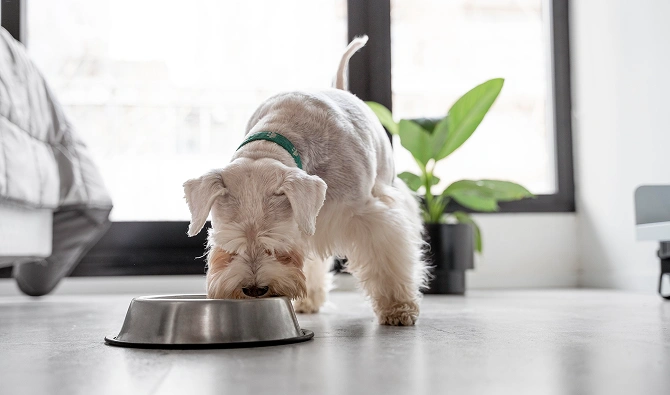
Dry food, or kibble, is one of the most popular choices for feeding puppies due to its convenience and nutritional balance. It can be an effective way to provide complete and balanced nutrition when chosen carefully.
Key points about dry food for puppies include:
- Benefits: Supports dental health by reducing plaque buildup, easy to store and measure, and typically more affordable than wet or raw food.
- Drawbacks: Some puppies may find it less palatable, and it may not provide enough moisture, so fresh water should always be available.
- Recommended types: Look for high-quality puppy formulas with real meat as the primary ingredient, balanced fats, and essential vitamins and minerals.
- Storage and portion control: Keep kibble in a cool, dry place and use airtight containers to maintain freshness. Measure portions according to your puppy’s weight and age to prevent overfeeding or underfeeding.
Proper selection and management of dry food can help ensure your puppy grows healthy while making mealtime simple and stress-free.
Complete and Balanced
The term “complete and balanced” on a pet food label indicates that the food provides all the essential nutrients in the proper proportions to meet a puppy’s dietary needs. This designation is usually verified by standards set by the Association of American Feed Control Officials (AAFCO), ensuring the food supports growth and overall health.
Key points about complete and balanced puppy food include:
- Meaning: Contains the right amounts of protein, fat, vitamins, and minerals necessary for healthy development.
- Importance: Feeding complete and balanced food prevents nutrient deficiencies and supports strong bones, muscles, and immune function.
- Ensuring standards: Check for AAFCO approval on the label and choose formulas specifically designed for puppies. Consult your veterinarian if you have questions about whether the food meets your puppy’s unique needs.
Providing complete and balanced food is essential to help your puppy grow into a healthy, active adult dog without missing critical nutrients.
Food Allergies
Some puppies can develop food allergies that affect their skin, digestion, or overall health. Identifying and managing these allergies early helps keep your puppy comfortable and supports healthy growth.
Key points about food allergies in puppies include:
- Common allergens: Beef, chicken, dairy, wheat, soy, and certain grains.
- Symptoms: Watch for persistent itching, chronic ear infections, vomiting, diarrhea, or changes in coat quality.
- Managing allergies: Work with your veterinarian to identify the allergen and consider limited ingredient diets, hypoallergenic formulas, or gradual diet changes. Introduce new foods slowly and monitor for reactions.
By recognizing signs of food allergies and adjusting your puppy’s diet accordingly, you can prevent discomfort and maintain overall health and wellbeing.
Feeding Schedule
Establishing a consistent feeding schedule is essential for a puppy’s growth and digestion. Regular meals help regulate energy levels, prevent overeating, and support healthy weight gain.
Key points about feeding schedules for puppies include:
- Frequency by age: Puppies 8–12 weeks old should eat four meals a day. From 3–6 months, reduce to three meals daily, and after six months, two meals per day is typically sufficient.
- Portion sizes: Follow the feeding guidelines on your puppy’s food package and adjust portions based on growth, activity level, and body condition. Gradually transition to new food or portion sizes over 7–10 days to avoid digestive upset.
- Maintaining routine: Feed your puppy at the same times each day and remove uneaten food after 15–20 minutes to encourage proper meal habits. Avoid free-feeding to prevent overeating.
A consistent feeding schedule promotes healthy digestion, steady growth, and helps your puppy develop good eating habits for life.
Adult Food & Adult Dog Food
Transitioning from puppy food to adult dog food is an important step in your dog’s nutritional journey. Feeding adult food too early or too late can affect growth, weight, and overall health.
Key points about adult dog food include:
- When to transition: Small breeds can switch to adult food around 9–12 months, while large breeds may need puppy food until 12–18 months to support slow and steady growth.
- Differences between formulas: Puppy food is higher in calories, protein, and fat to support rapid growth, whereas adult food contains balanced nutrients to maintain health and prevent obesity.
- Safe transition: Gradually mix increasing amounts of adult food with decreasing amounts of puppy food over 7–10 days. Monitor your dog for digestive upset and adjust the transition pace as needed.
A careful and gradual transition ensures your dog continues to receive proper nutrition and maintains a healthy weight as they move into adulthood.
Best Food
Choosing the best food for your puppy is essential to support healthy growth, energy, and long-term wellbeing. Not all puppy foods are created equal, so it is important to evaluate options carefully.
Key points for selecting the best food include:
- Tips for choosing: Look for high-quality ingredients, real meat as the primary protein source, complete and balanced formulas, and products with AAFCO approval.
- Factors to consider: Your puppy’s breed, age, activity level, and any dietary sensitivities or allergies should guide your food selection. Large breeds may require controlled calcium and calories, while small breeds may need more calorie-dense meals.
- Consulting your veterinarian: Your vet can provide personalized recommendations based on your puppy’s growth rate, health, and breed-specific needs. They can also advise on portion sizes and feeding frequency.
Selecting the right food and following veterinary guidance ensures your puppy receives optimal nutrition to thrive throughout their developmental stages.
Providing a balanced diet with essential nutrients and a consistent feeding schedule is key to your puppy’s growth, health, and overall wellbeing. Puppy Boutique emphasizes the importance of monitoring your puppy’s weight, energy levels, and development, allowing you to make timely adjustments to their diet and ensure they are thriving. Proper nutrition forms the foundation for a healthy, happy puppy and sets the stage for a lifetime of good health.
Phone 718-306-4136
Email puppyboutique@aol.com
Address 8002 17th Ave, Brooklyn, NY 11214