How To Socialize A Puppy
Please call or text us at 718-306-4136
Please email us at Puppyboutique@aol.com
8002 17th Avenue, Brooklyn NY 11214
How To Socialize A Puppy
Welcoming a fresh pup into your home is a delightful moment, brimming with soft snuggles, moist nose smooches, and a heap of potty training. However, amid the initial rush of teaching bathroom habits and gathering chew toys, there’s a vital aspect of your pup’s growth that warrants attention – socialization.
Puppy socialization entails acquainting your tiny fur ball with the vast, open world in a secure and positive way. It goes beyond mere romps at the dog park; it’s a strategic method to aid your pup in evolving into a balanced, self-assured, and content adult dog.
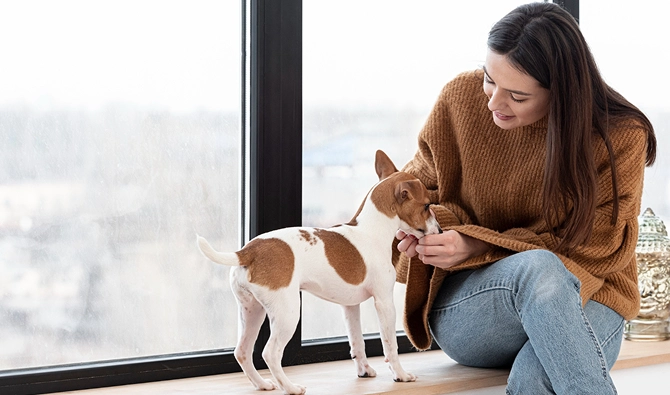
Why Is Puppy Socialization Important?
During the initial weeks and months of a puppy’s existence, they undergo a crucial phase of learning. Until approximately 16 weeks old, puppies act as sponges, eagerly absorbing the world’s stimuli. This developmental phase, often termed the “sensitive period for socialization,” forms the foundation for how your dog perceives and interacts with the world in adulthood.
Following a thorough socialization regimen offers a myriad of advantages, encompassing both behavior and health. Pups who undergo proper socialization are less prone to developing anxiety, aggression, or phobias later in life. Here are some pivotal reasons why early socialization holds utmost importance:
- Behavioral Development: Constructive engagements during socialization establish the groundwork for positive conduct, encompassing acquiring gentleness with humans and comprehending fundamental commands.
- Health: A self-assured canine typically enjoys better health, encountering reduced stress and its related health concerns.
- Longevity: Dogs that are well-adapted are more inclined to maintain their households, diminishing the likelihood of being relinquished to shelters or euthanized because of behavioral issues.
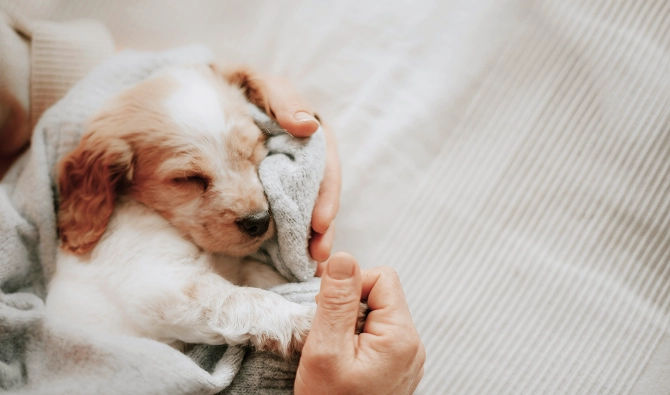
How to Socialize A Puppy: A Comprehensive Guide in Puppy Socialization
Efficient socialization blends art, sprinkled with a touch of science, harmonizing a structured strategy with your puppy’s unique rhythm. Here’s a guide on how you can tackle this priceless process:
Develop a Socialization Plan
Commence by drafting a catalog of all the encounters you aim to introduce your puppy to, then arrange them in order of significance and accessibility. Consult your veterinarian for insights on health considerations and the timing of socialization endeavors.
Be Present and Proactive
Your involvement is as crucial as the experiences themselves. Your puppy must understand that you’re a beacon of comfort and security in unfamiliar or potentially intimidating scenarios. This entails being actively involved, not merely present, during socialization outings.
Gradual Exposure
Proceed gradually. Introduce your pup to novel experiences in small increments, steadily escalating the intensity or duration as they grow more at ease. For instance, if loud noises are part of the plan, begin with the sound of a dropped book from a distance and progressively shorten the distance.
Conditioned Learning
This traditional behavioral method advocates for linking new experiences with something your pup naturally enjoys, such as treats or play. With time, your puppy will develop a positive association with these new experiences.
Explore a Training Class
Enrolling in professional obedience or puppy training classes can serve as excellent venues for socialization. Not only will your puppy acquire valuable commands, but they’ll also engage with other dogs and people within a supervised setting.
Understand the Individual
Every puppy is unique. While one may embrace water without hesitation, another may need gradual exposure over several weeks. Pay keen attention to your pup’s body language and adapt your approach accordingly. Positive socialization isn’t about completing tasks; it’s about ensuring your puppy’s comfort and happiness.
Be Consistent
Use Positive Reinforcement
Consider a Playgroup
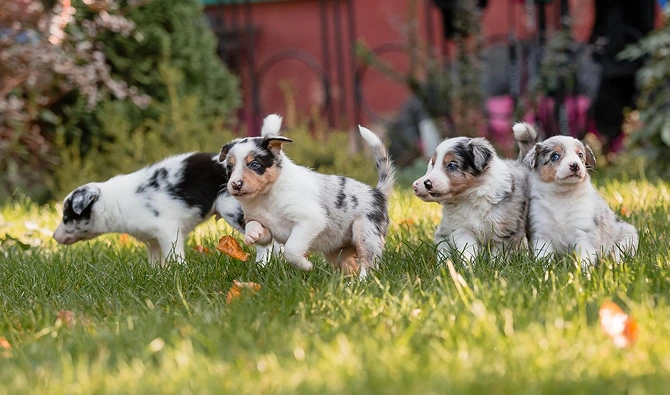
How to Create a Puppy-Friendly Environment
The initial phase of your socialization endeavor involves establishing a safe environment where positive experiences prevail. Here’s how to lay the groundwork:
- Safe Boundaries – Provide a secure area where your pup can play, rest, and feel at ease. This might entail a corner with their bed, a partitioned section of the room, or ideally, a designated room. Sometimes, a minimalist approach can be advantageous, preventing a frantic search for their ideal hiding spot.
- Positive Engagement – Consistently link your presence with positive experiences. Speak softly, play gently, and ensure that any interactions with your pup are enjoyable. Regular gentle petting, especially when combined with treats, will further aid in building trust and confidence in you.
- Regular Schedule – Structure provides a sense of calm for puppies. Aim to maintain consistency in feeding times, walks, and play sessions. This establishes expectations, which can be incredibly comforting for a pup navigating a new environment.
Pet Exposure
- Gradual Exposure – Once your pup feels at ease in their home environment, it’s time to slowly introduce them to new stimuli.
- New Objects – Incorporate a range of objects, such as umbrellas, brooms, and boxes, throughout the home and permit your pup to explore them at their own pace. Be present but refrain from being overly involved, allowing your pup the time they require to comprehend and adjust to this new environment.
- Different Surfaces – Guide your pup on brief walks, focusing on one surface at a time – grass, concrete, carpet. Treat each walk as an exciting adventure, praising and rewarding them for every courageous step. This approach helps mitigate fear of unfamiliar surfaces and fosters positive associations with different textures.
- Various Sights and Sounds – Gradually introduce common household sounds like the vacuum and dishwasher. Always pair these sounds with enjoyable experiences for your puppy, such as playtime or treats. You can also utilize sound desensitization apps to enhance safety during the process.
Meeting People and Other Pets
Socialization isn’t about overwhelming your pup with new experiences. It’s about fostering positive, controlled encounters that gradually expand your puppy’s comfort zone.
- Friends and Family – Welcome friends and family to meet your pup. Ensure these initial interactions are gentle and calming, with no one overwhelming your puppy with excessive attention. Encourage visitors to crouch down to your puppy’s level and offer treats to create positive associations.
- Other Pets – If you have other pets, facilitate their interaction in a neutral space and at their own pace. Monitor the interactions closely, providing gentle, positive reinforcement for both animals.
- New People and Places – Once your puppy has received their initial vaccinations, you can begin expanding their horizons. However, always ensure that any new places and people are clean and safe to prevent diseases and negative experiences.
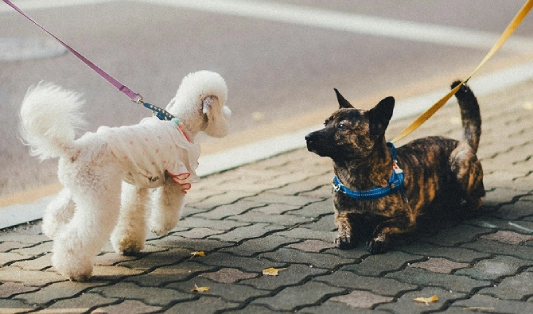
Socializing with Other Puppies
Engaging with other puppies is pivotal for social development. It’s where they glean invaluable insights into acceptable social conduct from their peers.
- Puppy Classes – Enrolling your furry friend in puppy socialization classes provides an ideal opportunity for them to interact with dogs of similar age and learn vital social cues. With the guidance of a professional trainer, your pup can explore their playful boundaries in a secure and structured setting.
- Off-Leash Encounters – After your pup receives vaccinations and gets the go-ahead from the vet, arranging playdates with other vaccinated, friendly dogs in a controlled, familiar setting is a great idea. Monitor your puppy’s body language to ensure they’re enjoying themselves and learning positive behaviors.
Handling New Experiences
Even with thorough preparation, new experiences can overwhelm a young pup. Here’s how to ease the process:
- Car Rides – Familiarize your puppy with brief car rides using a secure carrier or harness system. Ensure the car isn’t too warm, and take frequent, enjoyable breaks at pleasant destinations.
- Grooming and Handling – Help your puppy acclimate to grooming, bathing, and handling. Begin by gently touching various parts of their body, gradually advancing to actual grooming and care routines. Make these sessions as enjoyable and positive as possible with treats and toys.
- Vet and Professional Care – Ensure visits to the vet, professional groomers, or trainers are as friendly as possible. Even if it means playing in the waiting area beforehand, it creates a positive association with these essential places and people.
Ongoing Socialization and Dog Training
The critical socialization period may be over, but the journey continues. Keep exposing your puppy to new things, places, and people throughout their life.
- Consistent Training – Incorporate positive reinforcement training into your daily routines. Teach simple commands like sit, stay, and come using treats and play, fostering a strong bond between you and your pup.
- Varied Environments – Regularly take your dog to new environments, whether it’s dog parks or pet-friendly stores. These outings help uphold the adaptability and resilience developed during the socialization phase.
- Daily Encounters – Incorporate socialization into your dog’s daily routine. A walk around the block can involve greeting a neighbor or visiting a local coffee shop patio. Keep these interactions short and sweet, always concluding on a positive note.
Long-Term Benefits
Investing in socializing your puppy yields numerous benefits. A well-socialized dog is confident, calm, and adept at understanding and adapting to their environment. They typically exhibit relaxation around people and other animals, and are better equipped to manage emotional stressors and changes in routine. In essence, they make superior companions and enjoy richer, happier lives.
In conclusion, successful puppy socialization entails creating a supportive and positive environment, gradually exposing them to new experiences, gently introducing them to people and other pets, and fostering ongoing learning throughout their lives. Be patient, calm, and above all, relish the journey. The joy of having a well-socialized and happy pup is one of life’s greatest rewards.
Phone 718-306-4136
Email puppyboutique@aol.com
Address 8002 17th Ave, Brooklyn, NY 11214