How To Discipline A Puppy
Please call or text us at 718-306-4136
Please email us at Puppyboutique@aol.com
8002 17th Avenue, Brooklyn NY 11214
How To Discipline A Puppy
Understanding how to discipline a puppy is a vital aspect of being a responsible pet owner, especially for new puppy parents. It’s not just about making your life easier; it’s also about fostering the development of a well-adjusted dog.
Effective puppy training instills an understanding of acceptable behavior, which can prevent various issues, including destructive chewing and aggression. Ultimately, it fosters a happier relationship between you and your pet in the long term.
When disciplining a puppy effectively, physical punishment or cruelty should never be involved. Instead, it’s about guiding your puppy to associate certain actions with positive or negative outcomes. This approach enables them to learn within a safe and nurturing environment, fostering a bond of trust and understanding between you and your pet.
Moreover, well-disciplined and trained puppies tend to be more manageable in social settings. They’re less prone to acting out or feeling anxious when encountering unfamiliar situations or people. Essentially, the investment in training and discipline during their formative years yields long-term benefits throughout their lives.
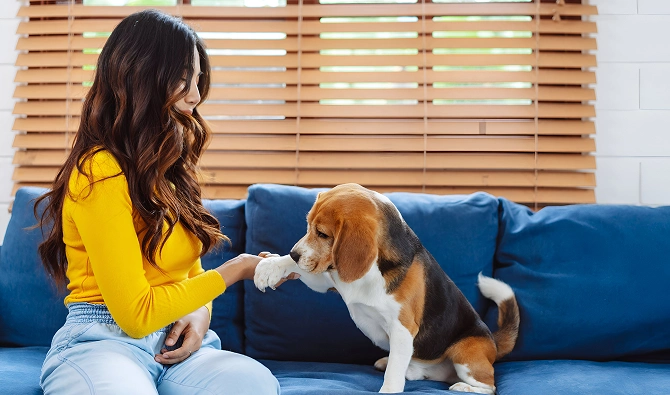
Basic Puppy Training Principles
Understanding a Dog's Behavior
Importance of Early Training
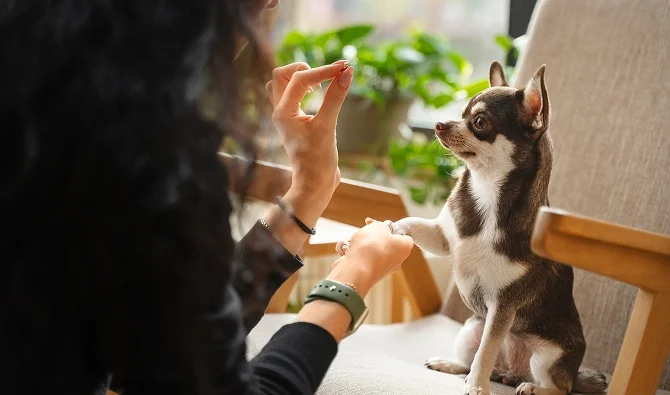
Positive Reinforcement vs. Punishment
When it comes to puppy discipline, there are two main approaches: positive reinforcement and punishment.
Positive reinforcement involves encouraging a desired behavior by rewarding your puppy when it exhibits that behavior. This can include offering treats, praise, or extra playtime when they behave appropriately. The aim is to make good behavior feel rewarding, thereby motivating your puppy to repeat it.
In contrast, punishment involves applying a negative consequence immediately after an undesirable behavior occurs. This may include removing privileges, using a firm “NO,” or briefly isolating the puppy. The goal is for the puppy to associate undesirable behaviors with unpleasant outcomes, thus diminishing the likelihood of those behaviors recurring.
However, it is essential to stress that punishment should never involve causing harm or instilling fear in your puppy. Physical punishment should never result in psychological harm, leading to fear, anxiety, or aggression. Furthermore, forms of punishment such as physical discipline can cause confusion if not applied immediately after the undesired behavior, rendering them counterproductive in many instances.
The majority of animal behavior experts advocate for positive reinforcement as the primary strategy in puppy training. This approach builds trust, promotes good behavior, and nurtures a strong bond between owner and pet. Punishment, if employed, should be reserved for severe cases and implemented with careful consideration and restraint.
Setting Clear Boundaries
Setting clear boundaries is essential in disciplining your puppy. Clear boundaries offer structure and predictability, aiding the puppy in comprehending what is expected of them. These boundaries may pertain to spaces (such as rooms or furniture the puppy is not permitted to enter or climb), times (such as feeding times or time-outs), behaviors (like refraining from jumping on guests), and more.
Consistency is paramount when establishing boundaries. If a puppy is allowed to engage in a behavior one day and reprimanded for it the next, they may become confused or anxious. Therefore, it’s important for all family members to be aligned on the rules and consistently enforce them.
Establishing boundaries doesn’t imply restricting all of a puppy’s actions. It’s crucial to strike a balance between limitations and ample opportunities for positive interactions and rewards. Remember, puppy discipline isn’t about micromanaging their every move. Rather, it’s about steering them towards behaviors that enhance their well-being and promote harmonious coexistence with others.
Designating Puppy Spaces
Designating specific spaces for your puppy’s activities is a crucial aspect of their discipline and training. These spaces may encompass a sleeping area, a feeding area, and a play area.
The sleeping area should be cozy and serene, offering a peaceful retreat for rest and relaxation. Utilizing a crate or allocating a designated room can fulfill this role, providing your puppy with a sense of security and territory.
The feeding area should be a neat, hygienic, and tranquil space where your puppy can enjoy their meals without disruption. Designating a specific area for feeding assists in regulating your puppy’s eating patterns and contributes to establishing a consistent feeding schedule.
Finally, the play area should be a designated space where your puppy can freely explore, play, and expend their energy. This area could be an outdoor space like a fenced yard, allowing for ample room to romp and explore. Alternatively, an indoor area filled with safe toys and playthings offers opportunities for engaging play sessions regardless of weather conditions.
These designated spaces play a crucial role in helping puppies comprehend where they can engage in specific activities, thereby contributing significantly to their overall training and discipline. Introducing these spaces gently and positively is essential, associating them with comfort and enjoyment rather than confinement. This approach fosters a positive association, making it easier for puppies to adapt to and respect these boundaries.
Crate Training: What is it and How to Do It?
Crate training is a house training method for puppies or dogs. The crate provides a secure environment resembling a den, which promotes control over bladder and bowel movements. This approach is effective not only for house training but also for preventing undesirable behavior and ensuring safety during travel. However, it’s essential to use the crate correctly to ensure that your puppy perceives it as a safe and cozy space, rather than a form of punishment.
Steps for Effective Crate Training:
- Choose the Right Crate: The initial step is selecting a crate that suits your puppy’s size. It should be spacious enough for them to stand, turn around, and lie down comfortably, without being excessively large where they might designate one corner for bathroom purposes and another for sleeping.
- Introduce the Crate: Position the crate in a frequently used area of your home where your puppy often spends time. Keep the crate door open and allow your puppy to explore it at their own pace, using treats or toys to entice them inside. Ensure this experience remains positive and reassuring for your puppy.
- Feed Meals in the Crate: Once your puppy feels at ease with the crate, begin feeding them their meals inside it. This practice helps foster a positive association with the crate, reinforcing it as a safe and pleasant space.
- Gradually Increase Crate Time: Once your puppy is accustomed to eating in the crate, gradually introduce closing the door during meal times. Initially, open the door immediately after they finish eating. Then, gradually increase the duration the door remains closed after each meal, allowing your puppy to acclimate to being inside the crate for longer periods.
- Crate Your Puppy When You’re Out: Once your puppy is at ease remaining in the crate for approximately 30 minutes after eating, you can begin crating them when you leave the house. Begin with brief absences and gradually extend the duration as your puppy grows more comfortable with being alone in the crate.
- Crate Your Puppy at Night: Begin by situating the crate in your bedroom or a nearby area to prevent your puppy from feeling isolated or alone. As they grow more accustomed to the crate, you can progressively relocate it to your desired location.
Keep in mind that the objective is for your puppy to perceive the crate as a secure and cozy area. Avoid using the crate as a form of punishment, and ensure your puppy receives ample exercise and interaction throughout the day. Crate training is a gradual process that demands patience, but when executed properly, it can serve as a valuable tool in your puppy’s training routine.

Positive Reinforcement Techniques
Immediate Reward
Use Treats Wisely
Verbal Praise
Playtime Reward
Consistency is Key
Maintaining consistency is essential in positive reinforcement. Whenever your puppy demonstrates the desired behavior, ensure they receive a consistent positive response. This steadfast approach helps your puppy grasp expectations more effectively, leading to a smoother and more efficient learning process.
In dog training, patience and positivity are key. Immediate results shouldn’t be expected, as it takes time for the puppy to comprehend your expectations. Keep training sessions brief and enjoyable, always concluding on a positive note.
Redirecting Unwanted and Bad Behavior
Identify the Negative Behavior
Understand the Trigger
Provide an Alternative
After pinpointing the trigger, offer an appropriate alternative for your puppy. For instance, if your puppy chews on furniture due to boredom, introduce them to chew toys or engage them in interactive play to keep them occupied and mentally stimulated.
Reward Good Behavior
Be Patient and Consistent
Behavioral changes require patience and consistency. Be patient with your puppy and steadfast in your redirection efforts. With time, your puppy will learn to replace unwanted behaviors with desired ones.
Steering clear of unwanted behavior is a positive strategy that fosters trust and mutual understanding between you and your puppy. It empowers your puppy to make positive choices, nurturing a relationship built on harmony and respect.

Patience and Persistence
Training a puppy demands considerable patience and perseverance. Puppies, akin to young children, are still acquainting themselves with the world and learning how to navigate it. It’s vital to acknowledge that each puppy learns at their own pace. There will be days when your puppy swiftly grasps new commands or behaviors, while other days may seem stagnant. This variation is normal, and patience becomes paramount during such times. Moreover, persistence is essential in reinforcing acquired behaviors and introducing fresh ones. Consistency in training methods and routines aids your puppy in understanding expectations. Nonetheless, it’s crucial to ensure that training remains positive and enjoyable for your puppy. This entails offering ample praise and rewards, taking breaks when needed, and eschewing punitive or negative reinforcement methods. Through patience and persistence, you can effectively train your puppy, nurturing a robust bond founded on mutual trust and respect.
Phone 718-306-4136
Email puppyboutique@aol.com
Address 8002 17th Ave, Brooklyn, NY 11214