How To Crate Train A Chihuahua Puppy
Please call or text us at 718-306-4136
Please email us at Puppyboutique@aol.com
8002 17th Avenue, Brooklyn NY 11214
How To Crate Train A Chihuahua Puppy
Crate training is a technique for house training pets, especially dogs, leveraging their natural instincts as den-dwelling animals. The crate serves as a dog’s personal sanctuary, akin to a small den, providing them with a secure and safe space. When implemented correctly, the crate becomes a beneficial tool for managing behavior, facilitating travel, and fostering positive habits. It’s crucial to emphasize that the crate must never be used as a punishment; instead, it should be a place of comfort and calmness for the pet.
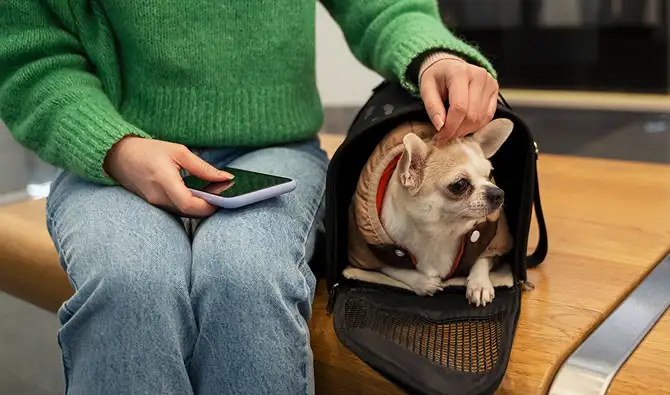
Introducing The Chihuahua Puppy Breed
Chihuahuas stand out as one of the most distinctive and vibrant breeds in the canine kingdom, originating from Mexico. These pint-sized pups are renowned for their big personalities and unique features. Typically weighing no more than 6 pounds and standing 5-8 inches tall, they are perfect companions for those seeking a petite yet spirited pet. Their coats can range from smooth and shiny to long and fluffy, coming in a variety of colors including solid black or white, as well as spotted or tri-colored patterns.
Known for their spirited and devoted nature, Chihuahuas form strong bonds with their owners, displaying loyalty and an affectionate demeanor. Despite their small size, they are energetic and love to play, requiring regular exercise to stay physically fit and mentally stimulated. Their alertness also makes them effective watchdogs.
When it comes to training, Chihuahuas respond best to positive reinforcement techniques due to their intelligence and eagerness to learn, although they can be stubborn at times. Crate training can be particularly beneficial, providing them with a personal sanctuary and helping owners manage their behavior effectively.
If you’re considering welcoming a Chihuahua into your home, you’ll be gaining a small breed with a big heart, full of charm, character, and liveliness.
Benefits of Crate Training a Chihuahua Puppy
Crate training a Chihuahua puppy, similar to any other breed, offers multiple advantages that enhance a healthier and more harmonious relationship between pet and owner. Below, we delve into some of the key benefits that highlight why crate training is a valuable investment for puppy owners.
Safety Assurance
A crate serves as a sanctuary for your Chihuahua puppy. During unsupervised moments, especially in the teething stage, puppies tend to chew on hazardous objects. A crate prevents them from getting into harm’s way.
Aid in Housebreaking
Dogs instinctively avoid soiling their living area. By using proper training and consistency, a crate can assist in housebreaking your Chihuahua, teaching them where to appropriately eliminate.
Reduction of Separation Anxiety
Using a crate can alleviate separation anxiety in dogs. It offers a secure, enclosed space where your Chihuahua can feel safe, even when you’re not at home.
Ease of Travel
Dogs that are crate-trained experience less stress while traveling. A crate offers a familiar environment that helps ease their anxiety, making journeys smoother and more comfortable for both the pet and the owner.
Improved Vet Visits
A crate-trained Chihuahua will experience less stress during veterinarian visits. The crate, serving as a place of comfort, can help reduce anxiety related to unfamiliar surroundings and new experiences.
Crate training goes beyond being a disciplinary tool or a convenience for owners; it’s essential for ensuring the safety, comfort, and overall well-being of your Chihuahua puppy. Remember, successful crate training hinges on its proper implementation. It should always be a positive experience for your puppy, never a place for punishment or extended confinement. With patience and consistency, you can cultivate a loving and secure relationship with your pet, helping them see their crate as a personal sanctuary.
Handling Separation Anxiety
Establish a routine
Maintaining consistency plays a crucial role in managing separation anxiety. Creating a daily schedule ensures your Chihuahua anticipates meal times, walks, play sessions, and crate periods, fostering a sense of security and minimizing anxiety-driven behaviors.
Create positive crate associations
Transform your Chihuahua’s crate into a joyful retreat. Offer treats, toys, and cozy bedding inside the crate to create a comforting environment. Ensure the crate becomes a safe haven where your dog feels secure and relishes spending time.
Gradual acclimatization
Transform your Chihuahua’s crate into a joyful retreat. Offer treats, toys, and cozy bedding inside the crate to create a comforting environment. Ensure the crate becomes a safe haven where your dog feels secure and relishes spending time.
Exercise and play
Make sure your Chihuahua receives ample exercise and playtime. A tired dog is more inclined to relax calmly in their crate.
Consult a professional
If, despite your best efforts, your Chihuahua shows persistent signs of severe separation anxiety, consider seeking advice from a professional. Veterinarians or expert dog trainers can offer additional guidance and personalized treatment strategies.
Keep in mind, patience and empathy are crucial when managing separation anxiety in your Chihuahua. Over time, your pet should begin to view their crate as a secure and reassuring environment, even when you’re not present.

Importance of Consistency and Patience in Crate Training Your Chihuahua
Training your Chihuahua puppy isn’t something that happens overnight; it demands a significant investment of time, consistency, and, most importantly, patience. Consistency and patience are the foundational pillars of effective crate training.
Consistency in crate training means maintaining a fixed schedule and adhering to established rules. For example, if your Chihuahua puppy is supposed to sleep in the crate every night, this should be a consistent routine. Altering this routine frequently can confuse your puppy and lengthen the training process. A steady schedule for meals, outings, playtime, and crate periods also helps your Chihuahua anticipate what’s next, which can greatly reduce anxiety and foster a feeling of security.
Patience is equally vital, especially given the spirited and occasionally stubborn nature of Chihuahua puppies. Progress may be gradual with occasional setbacks. Moments of frustration may arise, but it’s crucial not to resort to punishment or negativity towards your puppy. The objective is for your Chihuahua to view the crate as a secure and cozy haven, not a source of stress or fear. Patience ensures you remain composed, empathetic, and supportive as your puppy slowly adjusts to the crate.
Furthermore, patience is crucial when facing setbacks. There will inevitably be occasions when your puppy regresses—perhaps having accidents or exhibiting increased anxiety. It’s essential to stay patient during these moments and continue with the training, adapting strategies as necessary.
Consistency and patience in crate training go beyond achieving successful training outcomes; they are about cultivating trust, nurturing a sense of security, and fostering a strong, healthy bond between you and your puppy. Keep in mind that every dog is unique and will respond to crate training at their own pace. Your dedication to patience and consistency will ultimately lead to a well-trained, joyful, and confident dog.
Phone 718-306-4136
Email puppyboutique@aol.com
Address 8002 17th Ave, Brooklyn, NY 11214