How Often To Feed A Puppy?
Please call or text us at 718-306-4136
Please email us at Puppyboutique@aol.com
8002 17th Avenue, Brooklyn NY 11214
How Often To Feed A Puppy?
Ensuring a puppy receives the right nutrition is vital for its early growth and overall health. In the initial months, puppies undergo significant development and need a diet designed to cater to this quick growth phase. Premium puppy food typically provides a mix of key nutrients such as proteins, fats, carbohydrates, vitamins, and minerals, all meticulously balanced to satisfy the high energy requirements of growing puppies. Moreover, these specially formulated foods aid in building robust bones, muscles, and teeth, and also bolster the puppy’s immune system.
Improper nutrition in a puppy’s diet can lead to numerous health problems that might persist throughout its life. For example, an imbalance of calcium and phosphorus can result in bone abnormalities, while insufficient protein can hinder growth and weaken the immune system. Additionally, puppies lacking essential nutrients during their critical early stages are more susceptible to chronic diseases in the future. Thus, responsible pet owners should ensure they provide their puppies with the correct quantity and quality of food to foster their health and happiness from the beginning. Understanding the appropriate amount and frequency of feeding is crucial in this regard.

Puppy Nutritional Requirements
Puppies have distinct nutritional needs compared to adult dogs. Due to their fast growth and elevated energy demands, puppies require more calories per pound of body weight than adult dogs. Their diet should be high in protein to promote tissue development and ensure a healthy growth rate. On the other hand, adult dogs need a diet that supports their overall health and energy, with careful management of calorie intake to avoid obesity.
Additionally, puppies thrive on a diet enriched with DHA, an omega-3 fatty acid essential for brain and vision development, which is generally less prevalent in adult dog food. Therefore, pet owners should choose puppy-specific formulas that cater to these developmental requirements. It’s important to switch to adult formulas as advised by a veterinarian, considering the dog’s breed and size.
Age-Appropriate Feeding: Puppy Feeding Schedule
Newborn to 4 Weeks
4 to 8 Weeks
8 Weeks to 6 Months
6 Months to 1 Year
As puppies mature, most breeds can transition to three meals a day. Depending on the puppy’s growth and health, portion sizes may require adjustment. For large breeds, switching to a large-breed puppy formula is recommended to support slower growth and help prevent joint problems.
1 Year and Older

Breed-Specific Considerations in Puppy Feeding
The size of the breed is pivotal in deciding the right diet for a puppy.
Small breeds, in particular, possess higher metabolic rates, necessitating more calorie-dense food served in small, frequent meals to maintain their energy levels.
On the other hand, large and giant breeds necessitate controlled growth to mitigate bone and joint issues. Therefore, their diets often feature formulas with specific calcium to phosphorus ratios and relatively lower calorie content to deter swift weight gain.
Medium-sized breeds typically have nutritional needs that lie somewhere in the middle, requiring a balanced approach to calorie intake. It’s essential for pet owners to be aware of these distinctions and seek guidance from a veterinarian to receive feeding recommendations tailored to their puppy’s breed, size, and specific health requirements.
Choosing the Right Puppy Food
Ingredient Quality
Balanced Nutrition
Life Stage Appropriateness
Specific Breed Needs
AAFCO Standards
Allergies or Sensitivities
Palatability
Company Reputation and Transparency
Price and Availability
Veterinarian Recommendation
Always seek guidance from your veterinarian when selecting puppy food, as they can offer personalized recommendations tailored to your puppy’s health, growth, and individual requirements.
By carefully considering these factors, you can navigate through the multitude of puppy foods available and make the optimal choice for your growing puppy.
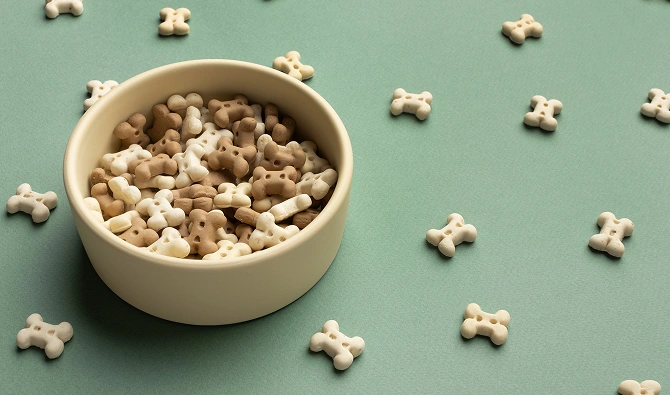
Wet Food or Dry Food?
When deciding between wet or dry food for puppies, both options offer distinct advantages that can support the health and development of the puppy. Wet food, commonly available in cans or pouches, tends to be more appealing and easier to eat for puppies, especially for younger dogs who may struggle with chewing dry kibble. Additionally, wet food can aid in keeping puppies hydrated, as they require more water to sustain their rapid growth.
Conversely, dry food, commonly referred to as kibble, offers its own set of advantages. It’s more convenient to store and can contribute to better dental health due to its crunchy texture, which helps reduce plaque buildup. Additionally, kibble is typically more energy-dense and can promote a sense of fullness, aiding in proper weight management as the puppy grows.
To achieve a well-rounded diet, some pet owners choose to combine both wet and dry foods, leveraging the benefits of each form. However, it’s crucial to consult with a veterinarian to establish the most suitable diet plan tailored to a puppy’s individual requirements, ensuring they receive all essential nutrients for healthy development.
Do I Give My Puppy Food If He's Begging?
Scheduled vs. Free-Feeding
When it comes to feeding your puppy, you typically have two methods to consider: scheduled feeding and free-feeding. Scheduled feeding entails offering food at specific times throughout the day, enabling control over portion sizes and ensuring your puppy consumes meals at regular intervals. This approach can help establish a routine, prevent obesity, and facilitate housetraining by making their digestion schedule more predictable.
Conversely, free-feeding involves making food continuously available to your puppy throughout the day, allowing them to eat whenever they wish. This approach can be advantageous for puppies who are underweight or have difficulty gaining weight, as it guarantees constant access to food. However, free-feeding can pose challenges in monitoring food intake, potentially resulting in overeating and weight gain. Additionally, it can complicate house training efforts.
Both methods offer their own set of pros and cons, and the ideal choice hinges on your puppy’s individual requirements and your lifestyle. Whichever method you opt for, maintaining consistency is crucial for fostering a healthy and content puppy. It’s advisable to consult with your veterinarian to ascertain the most suitable feeding approach for your puppy.

Transitioning to Adult Food
Switching to adult food signals a pivotal moment in your puppy’s journey, signifying the end of their rapid growth phase. As they edge towards adulthood, their dietary requirements shift, and prolonged consumption of high-calorie puppy food could lead to unwarranted weight gain. Typically, the transition to adult food aligns with reaching their anticipated adult size, which varies across breeds. Small breeds might make the switch around 9-12 months, while larger breeds might take 12-24 months to reach full maturity.
When transitioning food, do so gradually over several weeks, gradually increasing the proportion of adult formula while reducing the puppy formula to avoid digestive issues. Adhere closely to portion sizes and feeding frequency recommendations tailored for adult dogs. Always defer to your veterinarian’s advice, as they’ll consider your dog’s individual health and lifestyle factors. Regular check-ups during this transition can help ensure your dog’s ongoing health and well-being align with the dietary shift.
Phone 718-306-4136
Email puppyboutique@aol.com
Address 8002 17th Ave, Brooklyn, NY 11214