How Much Water Should A Puppy Drink
Please call or text us at 718-306-4136
Please email us at Puppyboutique@aol.com
8002 17th Avenue, Brooklyn NY 11214
How Much Water Should A Puppy Drink
Caring for a puppy is a fulfilling journey that demands both knowledge and dedication. It’s crucial to grasp the fundamentals of puppy care to foster their growth into thriving and content adult dogs. From meeting their nutritional requirements to facilitating socialization, there are numerous key aspects that every puppy owner should prioritize.
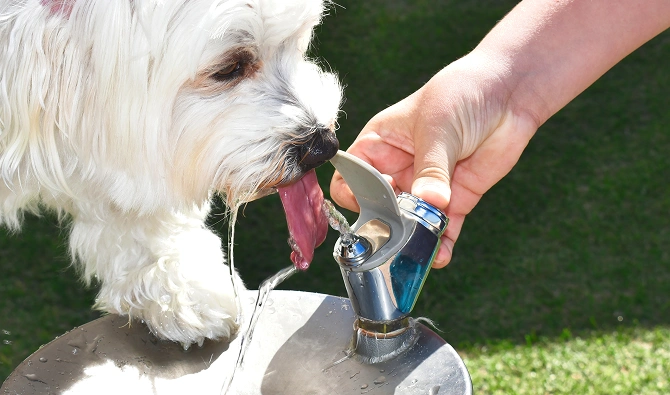
How Much Water Should A Puppy Drink
Nutrition
Hydration
Vaccinations and Health Care
Training and Socialization
Early training and socialization are key to preventing behavioral issues in the future. Introduce your puppy to a diverse range of people, animals, and environments to help them become well-adjusted adults. This exposure builds confidence, teaches appropriate behavior, and fosters positive interactions with others.
Exercise
Rest
Love and Affection
Above all, puppies thrive on love and attention. Investing quality time in building a strong bond with your puppy is essential for their emotional development and overall well-being.
While raising a puppy requires a significant investment of energy and patience, the joy and companionship they bring are invaluable. By diligently attending to their dietary needs, ensuring proper healthcare, providing training, exercise, and socialization, and showering them with love and affection, you lay the groundwork for a fulfilling and enduring bond, ensuring a long and happy life together.
Indeed, every puppy is an individual with unique characteristics and requirements. As you familiarize yourself with your puppy’s personality and needs, you’ll be better equipped to tailor your care to support their flourishing and well-being.

The Importance of Hydration In Puppies
Hydration is indeed crucial for a puppy’s health and development. Sufficient water intake is essential for puppies, as it supports their growth, aids in digestion, and helps regulate body temperature. Puppies are more susceptible to dehydration than adult dogs, underscoring the importance of providing constant access to fresh water. Proper hydration facilitates the digestion of food and absorption of nutrients, both essential for their rapid growth during the puppy stage.
Furthermore, water serves as a vital thermoregulator, helping to maintain a dog’s body temperature within a safe range, which is especially crucial for puppies who may struggle to regulate their temperature as effectively as adult dogs. Failing to meet a puppy’s need for water can swiftly result in dehydration, hindering their physical development and potentially leading to more severe health complications. Therefore, recognizing the signs of dehydration and ensuring a consistent supply of water are essential elements of responsible puppy care.
Factors Influencing Water Requirements
Age
Diet
Activity Level
Weather Conditions
Health Status
Size and Breed
Larger puppies and particular breeds may naturally drink more water because of their size, whereas smaller breeds tend to consume less due to their diminutive stature.
Each of these elements should be considered when evaluating a puppy’s hydration requirements. By carefully observing these factors, puppy owners can ensure their pets receive the correct amount of water necessary for optimal growth and well-being.

Just How Much Water Should You Give Your Puppy?
Determining the exact amount of water a puppy needs can seem daunting, but as a general rule, puppies require approximately half an ounce to one ounce (15-30 mL) of water per pound of body weight per day. For instance, if your puppy weighs 10 pounds, they should ideally drink around 5 to 10 ounces (150-300 mL) of water within a 24-hour period. Puppies that are still nursing will derive some hydration from their mother’s milk and may require less additional water.
As puppies transition to consuming solid food after weaning, their requirement for fresh water will rise. It’s essential to always provide a clean bowl of water that is easily accessible and filled with fresh water, as stagnant or contaminated water can pose health risks. Monitor your dog’s water intake closely, and if you observe any notable changes or signs of dehydration despite adequate supply, promptly consult your veterinarian to address any potential underlying health issues.
How Much Water Should My Puppy Drink At Night?
Adjusting water intake for puppies at night is vital to strike a balance between their hydration needs and promoting healthy bladder control. While it’s crucial for them to have access to water until bedtime, you may consider limiting their intake a few hours before they settle down for the night to prevent accidents. As a general guideline, it’s advisable to remove your dog’s water bowl at least two hours before bedtime to allow them an opportunity to relieve themselves before sleep.
This practice aids in preventing overnight accidents and supports house-training endeavors. Nevertheless, it’s advisable to provide a small amount of water nearby for puppies that might feel thirsty during the night, particularly in warm conditions or for those with higher activity levels in the evening. Always be attentive to individual needs and seek guidance from a veterinarian when establishing the most suitable nighttime routine for your puppy’s hydration and overall health.
How Much Water Should My Puppy Drink During Potty Training?: Establishing Discipline
As puppies go through potty training, balancing their water intake is crucial for maintaining hydration while minimizing accidents. It’s essential to provide consistent access to water during the day, encouraging drinking after play, meals, and naps to support their health. However, monitoring and potentially regulating water intake can also aid in successful potty training.
Create a schedule that incorporates regular water breaks and outdoor potty trips. Implementing a puppy water schedule fosters discipline. This routine aids in house-training and maintains hydration levels. While there’s no universal water requirement for every puppy, the general guideline remains relevant—half an ounce to one ounce per pound of body weight per day (15-30 mL per pound). Adjustments should be made based on the puppy’s activity level, environmental temperature, and diet.
Prepare for more frequent potty breaks if your puppy has consumed a substantial amount of water. These breaks are crucial to prevent accidents and reinforce healthy drinking habits.
Remain vigilant of your puppy’s behavior and watch for signs indicating they need to go, such as sniffing, circling, or whining. Promptly take them outside to their designated potty area to reinforce positive behavior. Additionally, consult with a veterinarian for personalized advice tailored to your puppy’s individual needs during the potty training process.
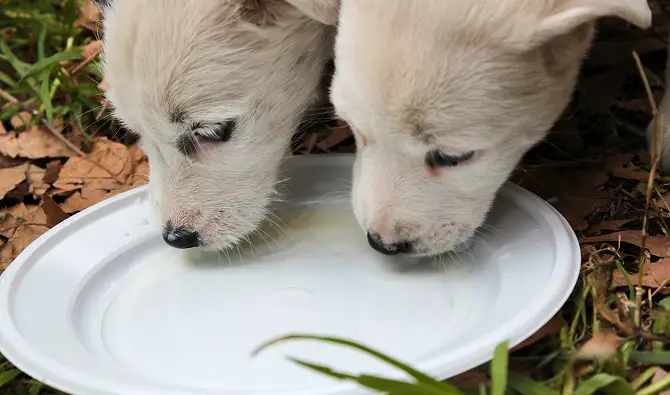
Dehydration Symptoms: How To Tell If Your Puppy Is Dehydrated
Dehydration in puppies is a significant concern and can develop more rapidly than in adult dogs because of their smaller body mass and higher energy levels. As a pet owner, it’s crucial to identify the early signs of dehydration to prevent it from reaching a dangerous level. Here are key symptoms to observe in your puppy:
- Lethargy: A dehydrated puppy may exhibit signs of lethargy, sluggishness, or a lack of interest in play, which is contrary to their normally lively and energetic demeanor.
- Dry Mouth: You might observe the puppy’s gums appearing drier than usual, and there may be less drooling than is typical for them.
- Sunken Eyes: Dehydration may result in the eyes appearing sunken and the puppy having an overall “flat” or lackluster appearance.
- Loss of Skin Elasticity: When you lightly pinch the skin at the scruff of the neck, it should promptly return to its original position. Failure to do so could indicate that the puppy is dehydrated.
- Rapid Heart Rate: If you notice your puppy’s heart is beating faster than usual, it could be a sign of dehydration.
- Panting: Excessive panting in a puppy can signal that it is trying to cool off and might not be receiving enough fluids.
Each of these symptoms alone can be worrisome, but when combined, they may indicate a serious health issue. If you notice any of these signs, it’s crucial to act quickly. Provide your puppy with water and contact your veterinarian immediately for further advice, as dehydration could be a sign of other underlying health problems.
Preventing dehydration is always better than treating it. Make sure your puppy has continuous access to clean, fresh water and is drinking regularly throughout the day.
During hot weather or after vigorous play, it is particularly important to keep an eye on your puppy’s hydration. In these situations, ensure frequent water breaks and watch for any signs of dehydration. By staying vigilant about your puppy’s water intake and being aware of dehydration symptoms, you can help keep your pet healthy, active, and happy.

Can A Puppy Drink Too Much Water?
Just as dehydration is dangerous for puppies, excessive water intake can also be harmful and might suggest underlying health issues. “Water intoxication” is a condition that arises from an electrolyte imbalance caused by rapid water consumption. Symptoms of water intoxication include:
- Bloating: An unusually swollen belly caused by excessive water consumption.
- Difficulty Breathing: Water intoxication can cause breathing difficulties if it impacts brain function.
- Lack of Coordination: Puppies may seem uncoordinated or dizzy after consuming excessive amounts of water.
- Nausea and Vomiting: Overindulging in water can result in vomiting or gagging.
- Diluted Urine: Frequent, diluted urine could indicate that your puppy is drinking more water than necessary.
If you believe your puppy is drinking too much and showing symptoms of water intoxication, it’s essential to seek immediate guidance from a veterinarian. Furthermore, conditions like polydipsia (excessive thirst) may signal underlying issues such as diabetes or kidney disease and require professional medical assessment.
To prevent any issues, keep an eye on your puppy’s water consumption, particularly during play or in hot weather, and offer an appropriate amount based on their size and requirements. While water is crucial for your puppy’s well-being, it’s important to moderate their intake to avoid complications associated with excessive consumption.
What To Do If Your Puppy Is Not Drinking Water
Should your puppy show a lack of interest in drinking water, this might signal an underlying issue, making prompt action crucial. Start by guaranteeing that fresh, clean water is always available and that the water bowl is easily reachable for your puppy. If water supply concerns have been eliminated, ponder the following measures:
- Encourage Drinking: Experiment with using a pet-designed water fountain, incorporating ice cubes, or enhancing the water’s flavor with a touch of low-sodium chicken or beef broth to encourage your puppy to drink more water.
- Check for Illness or Discomfort: Examine your puppy’s mouth for any indications of injury, dental problems, or tenderness that could be causing discomfort while drinking.
- Consider the Bowl: Certain puppies may favor a shallow bowl to minimize discomfort or a sturdy bowl that remains stable while they drink.
- Gradual Introduction: If your puppy is new to their surroundings or undergoing adjustments, they might feel too nervous to drink. Spend time with them near the water bowl to offer a sense of security.
- Stimulation Through Activity: Encourage your puppy to engage in gentle play. Physical activity can trigger thirst and prompt them to seek out water instinctively.
- Hydration Through Diet: Include moisture-rich food options, such as wet dog food or water-soaked kibble, to boost fluid intake.
- Regular Monitoring: Monitor your puppy’s water intake carefully. Some puppies may suffice with small sips throughout the day, while others may prefer larger amounts less frequently.
Should your puppy persist in refusing to drink or display further worrying symptoms like lethargy, vomiting, or diarrhea, seek veterinary attention promptly, as these could signal a serious health problem. Regular check-ups with your veterinarian are crucial to ensure your puppy stays well-hydrated and healthy. Remember, never overlook a puppy’s refusal to drink water.

Water Quality and Safety
Ensuring your puppy’s drinking water is safe is as important as ensuring they drink enough. Contaminants such as bacteria, chemicals, or heavy metals can pose serious risks to a young dog’s developing system, potentially causing harm or even fatality. To mitigate these risks, always offer water from a secure, clean source. Here are some tips to ensure the safety of your puppy’s drinking water:
- Regular Cleaning of Your Dog’s Water Bowls: Clean your puppy’s water bowl daily to prevent the accumulation of bacteria and algae. Additionally, ensure that your puppy’s food bowl is also kept clean.
- Filtered Water: You might want to consider using filtered water to eliminate potential contaminants often present in tap water.
- Non-Toxic Containers: Opt for bowls crafted from non-toxic materials; stainless steel or ceramic options are preferable to certain plastics, which may leach chemicals.
- Fresh Supply: Replace the water at least once a day, or more frequently if it becomes dirty or stale.
- Avoid Standing Water: Discourage your puppy from drinking water from puddles or stagnant sources outdoors, where bacteria or parasites may lurk.
- Watch for Notices: Stay updated on any water safety notices in your region that could impact the quality of the water available for drinking.
By implementing these precautions, you can ensure your puppy has access to clean, safe water, which is crucial for supporting their overall health and growth.
Phone 718-306-4136
Email puppyboutique@aol.com
Address 8002 17th Ave, Brooklyn, NY 11214