How Big Will My Puppy Get
Please call or text us at 718-306-4136
Please email us at Puppyboutique@aol.com
8002 17th Avenue, Brooklyn NY 11214
How Big Will My Puppy Get
Understanding a puppy’s breed is key in predicting its adult size. Larger breeds like Great Danes, Saint Bernards, or Mastiffs are expected to grow significantly more than smaller breeds such as Chihuahuas or Yorkshire Terriers. Each breed has been selectively bred over generations to exhibit specific physical and behavioral traits, including size. Knowing your puppy’s breed provides a solid foundation for estimating its eventual size as it matures.
If your puppy is a mixed breed, predicting its adult size can be more complex. In these cases, identifying the predominant breed or knowing the breeds of the parents can provide insights. It’s essential to recognize that individual dogs within a breed can vary in size, so breed characteristics serve as a general guideline rather than a definitive prediction. Understanding breed traits is just one aspect in estimating your puppy’s eventual size.
Factors Influencing Puppy Size
Genetics
Genetics plays a significant role in determining a puppy’s adult size. Puppies typically inherit their size characteristics from their parents, so if both parents are a certain size, it’s likely that the puppy will grow to be similar in size. However, it’s important to note that genetics can be complex, and other factors beyond just parental size can influence a puppy’s growth and final adult size.
Sex
When considering puppy growth and eventual size, gender can indeed play a significant role in many dog breeds. Typically, male dogs tend to grow larger than female dogs, influenced by genetic factors and hormonal differences between the genders. However, it’s crucial to recognize that individual variability can sometimes overshadow gender-based trends. Factors like diet, exercise, and overall health also have a substantial impact on a puppy’s final size.
Nutrition
Physical Activity
Physical activity plays a crucial role in a puppy’s growth. Regular exercise promotes proper muscle development and helps maintain a healthy weight. However, it’s important to avoid over-exercising puppies, especially because their bones are still developing. Balancing exercise with rest is key to supporting healthy growth and development in young dogs.
Health
A puppy’s overall health significantly impacts its growth. Certain health conditions can hinder growth, while others might contribute to an increase in size. Regular veterinary check-ups are crucial to monitor the puppy’s development, identify any potential health issues early, and ensure proper growth. By maintaining good health through veterinary care and proper management, you can help support your puppy’s optimal growth and well-being.
These factors all contribute to determining the size your puppy will reach as an adult. It’s possible to make an educated guess based on genetics, nutrition, exercise, and overall health, but the exact size cannot be predicted with 100% certainty.
Puppy Breed and Their Sizes
Big or Giant Dogs
- Great Dane: Often referred to as the ‘Apollo of dogs’, Great Danes typically stand approximately 30-32 inches tall at the shoulder and can weigh anywhere between 110 to 200 pounds.
- Saint Bernard: Famously depicted as rescuers carrying small kegs around their necks, Saint Bernards typically stand 26-30 inches tall and can weigh between 120-180 pounds.
- English Mastiff: One of the heaviest breeds, English Mastiffs typically stand 27-30 inches tall, and their weight can range from 130 to a staggering 230 pounds.
- Newfoundland: Gentle giants, the Newfoundland breed typically stands 26-28 inches tall and can weigh between 100-150 pounds.
- Irish Wolfhound: Known for their imposing size and gentle heart, Irish Wolfhounds typically measure approximately 30-34 inches at shoulder height and weigh between 105-120 pounds.
Medium Dog Breeds
- Labrador Retriever: As one of the most popular breeds worldwide, Labrador Retrievers typically stand 21.5-24.5 inches tall at the shoulder and weigh between 55-80 pounds.
- Bulldog: Known for their lovable and calm nature, Bulldogs typically stand about 14-15 inches tall at the shoulder and weigh between 40-50 pounds.
- Siberian Husky: Famous for their striking appearance and energetic nature, Siberian Huskies typically stand about 20-23.5 inches tall and usually weigh between 35-60 pounds.
- Border Collie: Distinguished by their intelligence and agility, Border Collies typically stand 18-22 inches tall at the shoulder and weigh anywhere between 30-45 pounds.
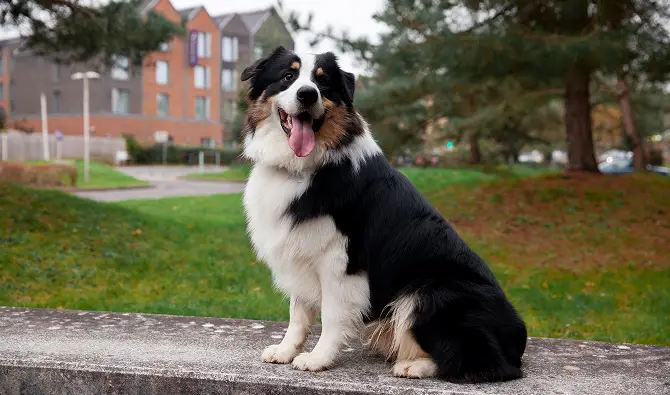
- Australian Shepherd: Renowned for their herding skills and vibrant coats, Australian Shepherds typically stand about 18-23 inches tall and weigh between 40-65 pounds.
Small Dogs
- Chihuahua: Identified as the tiniest breed globally, Chihuahuas generally reach a height of merely 5-8 inches at the shoulder and tip the scales at a scanty 2-6 pounds.
- Pomeranian: Sporting their fluffy fur and spirited attitude, Pomeranians measure approximately 7-12 inches in height and typically tip the scales at 3-7 pounds.
- Yorkshire Terrier: Despite their petite stature, Yorkshire Terriers are renowned for their vibrant and confident temperament. They typically reach a height of 7-8 inches and carry a weight of approximately 5-7 pounds.
- Shih Tzu: Renowned for their charming appearance and amiable nature, Shih Tzus measure around 9-10.5 inches in height and typically weigh between 9-16 pounds.
- Bichon Frise: Celebrated for their joyful demeanor, Bichon Frise pups usually reach heights of 9-12 inches and carry weights ranging from 10-20 pounds.
It’s important to bear in mind that these statistics reflect the typical height and weight for each breed. Individual dogs may vary, being either smaller or larger. Keeping up with regular veterinary check-ups and staying observant of any alterations in your puppy’s growth and behavior can help guarantee that your furry friend is progressing appropriately.
Puppy Growth Chart: Growth Stages in Puppies
Puppy growth can be broadly divided into the following stages:
The Neonatal Period (Birth-2 weeks): During this phase, puppies rely entirely on their mother for warmth and nourishment. Their development advances swiftly, with their birth weight often doubling or even tripling.
The Transitional Period (2-4 weeks): This stage heralds the onset of sensory evolution. Puppies commence opening their eyes, honing their sense of smell and hearing, and engaging in more movement. Additionally, their teeth begin to emerge, setting the stage for the gradual transition from their mother’s milk to solid food.
The Socialization Period (4-12 weeks): Throughout this pivotal phase, puppies become increasingly lively and begin to engage with their environment, littermates, and humans. It’s an opportune moment to expose them to diverse environments and encounters, as everything they absorb during this period will influence their behavior as adults.
The Juvenile Period (3-6 months): During this period, puppies start shedding their baby teeth and growing their adult ones. They might experience growth spurts, leading to increased physical activity levels. It’s crucial to maintain training and socialization efforts during this stage.
The Adolescence Period (6-18 months): This phase signals the beginning of puberty. Puppies reach sexual maturity and may begin testing boundaries. It’s usually when they achieve their adult height, though they might continue to fill out and gain weight for several more months.
The Adult Stage (18 months onwards): Depending on the breed, dogs are deemed adults between 1 to 2 years old. By this time, they typically attain their full size and should have a fully developed personality.
Keep in mind that each breed and individual puppy may advance through these stages at varying rates. Consistent veterinary check-ups are crucial for monitoring their health and development.
Weight and Height Measurements of Puppies
Observing your puppy’s weight and height provides valuable insights into its overall health and progress. Typically, puppies adhere to a predictable trajectory of weight gain; they should double their birth weight within the initial week and sustain steady growth in the following weeks.
To gauge your puppy’s weight, you can utilize a household scale or a pet scale commonly available at veterinary clinics. Regarding height, it’s measured from the ground to the shoulder. It’s recommended to measure your puppy’s height when it stands naturally, without stretching or crouching.
Remember to compare these measurements to breed-specific growth charts or consult with a veterinarian to ascertain whether your puppy is developing as expected.
Regularly monitoring weight and height is crucial, as sudden changes could indicate potential health issues. However, it’s important to bear in mind that every puppy grows at its own pace, and minor deviations in growth are usually not alarming.
Using a Puppy Weight Calculator
Puppy growth calculators serve as valuable tools to estimate your puppy’s adult weight or size. Here’s a step-by-step guide on how to utilize them effectively:
Select the Breed
Most calculators will prompt you to choose your puppy’s breed first. This step is crucial because different breeds exhibit varying growth rates and reach distinct adult sizes. By selecting the specific breed, the calculator can provide a more accurate estimate tailored to your puppy’s characteristics.
Enter the Current Age
Following breed selection, you’ll be prompted to input your puppy’s current age. It’s important to provide this information in the correct format, which is typically in weeks or months. This ensures the accuracy of the growth calculation based on your puppy’s developmental stage.
Enter the Current Weight
Additionally, the calculator will require your puppy’s current weight. It’s essential to provide an accurate weight, as this greatly influences the final estimate of your puppy’s adult size.
Calculate
Once you’ve entered all the required information, simply press the ‘Calculate’ button. The calculator will employ its built-in algorithm, which considers the average growth rate for your puppy’s breed, to estimate their adult weight and size.
These calculators offer estimates, and your puppy’s actual adult weight and size may differ. The best way to ensure your puppy is growing healthily is through regular veterinary check-ups and monitoring its body weight and growth.

Nutritional Considerations
A puppy’s nutrition is paramount for its growth and development. As puppies of different breeds and sizes have diverse nutritional needs, selecting a diet tailored to your puppy’s specific requirements is essential. A balanced diet should encompass a proper blend of proteins, carbohydrates, fats, vitamins, and minerals.
Proteins are indispensable for muscle development and cell growth, while carbohydrates furnish the energy necessary for your puppy’s active lifestyle. Fats play a crucial role in brain development, and vitamins and minerals are essential for fostering a robust immune system and promoting bone growth.
It’s advisable to feed puppies specially formulated puppy food until they reach adulthood. These foods are meticulously designed to furnish the precise balance of nutrients required for their optimal growth and development.
Portion size and feeding frequency are crucial considerations when caring for puppies. Due to their small stomachs and high energy expenditure, puppies typically require small, frequent meals. As your puppy grows, you can gradually increase meal sizes and decrease feeding frequency accordingly.
Consulting with a veterinarian or a pet nutrition expert is essential for gaining a deeper understanding of your puppy’s dietary requirements. They can offer valuable guidance on selecting the best food options and establishing appropriate feeding schedules tailored to your puppy’s breed, age, size, and overall health.
Phone 718-306-4136
Email puppyboutique@aol.com
Address 8002 17th Ave, Brooklyn, NY 11214