How To House Train A Maltese Puppy
Please call or text us at 718-306-4136
Please email us at Puppyboutique@aol.com
8002 17th Avenue, Brooklyn NY 11214
How To House Train A Maltese Puppy
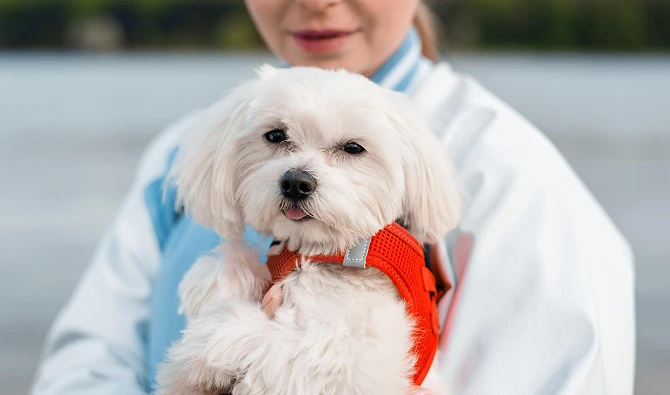
Getting To Know Maltese Puppy Breed
The Maltese is a small toy breed originating from the Mediterranean island of Malta. Recognized for their tiny stature, typically weighing under seven pounds as adults, and their unique long, silky white fur, Maltese puppies are adored by dog enthusiasts worldwide.
Appearance
Maltese puppies are small, typically standing under 10 inches tall. They are easily distinguished by their dark, round eyes and black noses, which stand out against their snowy white fur.
Temperament
Maltese puppies are recognized for their lively and playful temperament. They are energetic and delight in games, yet they also cherish cuddling with their owners. Despite their petite stature, they display fearlessness and can exhibit assertiveness.
Grooming
The Maltese breed is characterized by its hypoallergenic coat, making it suitable for individuals with allergies. Their exquisite white fur requires consistent grooming to keep it looking flawless.
Training
Maltese puppies are intelligent and quick to learn, which simplifies the potty training process. However, they can be stubborn at times, emphasizing the need for a consistent training approach.
Health
Maltese dogs are generally healthy, but they may have a genetic predisposition to certain conditions like luxating patella and progressive retinal atrophy. Regular veterinary check-ups and a nutritious diet play a significant role in promoting their longevity and well-being.
Overall, the Maltese breed is a top pick for those seeking a small dog. A Maltese puppy is a loving and playful friend. Their charming look and lively, affectionate nature make them highly appealing to many dog lovers.
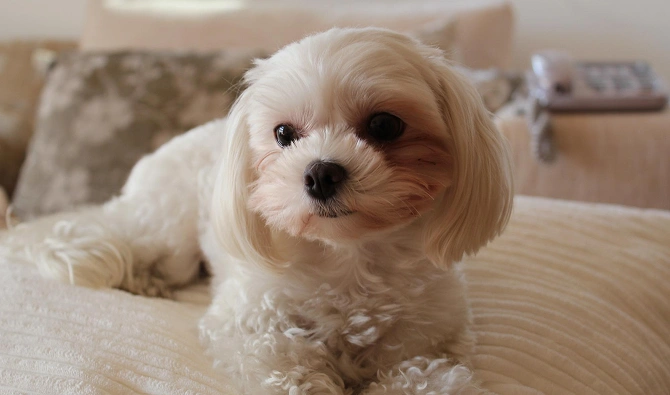
Importance of Early Training for Maltese Puppies
Early training is crucial for Maltese puppies for several reasons:
Establishing Good Behavior
Begin potty training or house training promptly! Starting early with your Maltese dog makes it simpler to establish positive behavior. Puppies are receptive to learning and guidance. Early training molds their behavior and stops bad habits from forming.
Socialization
Early training includes interacting with other dogs and people. This helps the Maltese puppy become a well-adjusted, confident, and sociable dog. Insufficient socialization may lead to shyness or fearfulness.
Bonding
Training sessions are opportunities to bond with your Maltese puppy. They not only establish your role as the leader but also foster trust and strengthen your connection.
Mental Stimulation
Training offers the crucial mental stimulation that Maltese puppies require, keeping their minds sharp, and engaged, and reducing the risk of destructive behavior resulting from boredom.
Beginning training early establishes the basis for your Maltese puppy’s future behavior, socialization, safety awareness, bond with you, and mental health. It’s a commitment of time and effort that leads to a well-behaved, content, and resilient dog
Things You Need in Training Your Maltese Puppy
When training your Maltese puppy, specific items can greatly assist. Here are some essentials:
Crate
A crate provides a secure and cozy environment for your Maltese puppy, especially useful during potty training because dogs instinctively avoid soiling their rest area. Begin with short periods in the crate, gradually extending the time as they become accustomed. Remember to take them out regularly for bathroom breaks.
Puppy Pee Pads
Absorbent pee pads are designed to soak up a puppy’s waste. They prove helpful for potty training by providing a designated spot for your puppy to relieve themselves. This is especially beneficial in the beginning stages when puppies have limited bladder control.
Treats
Treats serve as a powerful incentive during training sessions. They can be given to your Maltese puppy as a reward when they correctly use the crate or puppy pad, reinforcing positive behavior.
Leash
A leash is essential for controlling your puppy during outdoor bathroom breaks and directing them to the appropriate area.
Cleaners
Accidents are bound to happen during potty training. It’s crucial to use an enzymatic cleaner for thorough cleaning to eliminate any odors that could prompt your puppy to soil the same area again.
These tools are essential for aiding in potty training your Maltese puppy, establishing a regular schedule, and encouraging positive behaviors while minimizing accidents.

Things to Note in House Training
As owners of Maltese dogs, understanding the process of house training is vital. Teaching your Maltese puppy to use the bathroom appropriately is a crucial milestone in their growth and development. Here are key points to keep in mind:
Consistency is Key
Establishing a consistent routine for meals, play, and bathroom breaks can significantly assist in-house training. This regularity helps your puppy learn when to eat, play, and relieve themselves, minimizing accidents.
Patience and Positive Reinforcement
Keep in mind that each puppy learns differently and at their speed. Patience is key, along with using positive reinforcement during training. Reward your puppy for successful bathroom breaks with praise, petting, or treats to encourage them to continue the good behavior.
Know the Signs
Keep in mind that each puppy learns differently and at their speed. Patience is key, along with using positive reinforcement during training. Reward your puppy for successful bathroom breaks with praise, petting, or treats to encourage them to continue the good behavior.
Avoid Punishment
It’s best to refrain from punishing your puppy for accidents, as it can create fear and confusion that may impede their learning. Instead, concentrate on positively reinforcing good behavior.
Gradual Independence
As your puppy gets better at going outside for bathroom breaks, gradually increase their freedom indoors. Always supervise them at first to make sure they maintain the proper behavior.
By remembering these guidelines, you can make the process of house training easier for both yourself and your Maltese puppy.
What Is Indoor Training?
Indoor training is essential in raising a well-mannered Maltese puppy. It focuses on teaching appropriate behavior in the home, such as discouraging furniture chewing, jumping on guests, or begging during meals. The objective is to foster good manners and help your Maltese puppy develop into a polite and thoughtful companion.
Start by setting clear boundaries. Decide which parts of the house are restricted and consistently uphold these guidelines. Baby gates or a playpen can be useful tools to confine your puppy to approved areas.
Positive reinforcement is essential. Reward your puppy with praise and treats when they exhibit good behavior, such as playing with their toys instead of furniture or sitting calmly during meals. Remember, patience and consistency are crucial for effective indoor training.
Indoor training involves teaching your puppy fundamental commands like “sit,” “stay,” “down,” and “off.” These commands are crucial for managing your puppy’s behavior indoors and ensuring their safety. It also encompasses teaching them to use an indoor dog potty.
Finally, socializing your Maltese puppy indoors is crucial. Introduce them to various people, sounds, and experiences at home to build their comfort and confidence in different situations. Always ensure these interactions are positive to promote good manners and sociability in your puppy.
When conducted properly, indoor training helps your Maltese puppy develop into a well-behaved companion who comprehends household rules and respects boundaries.
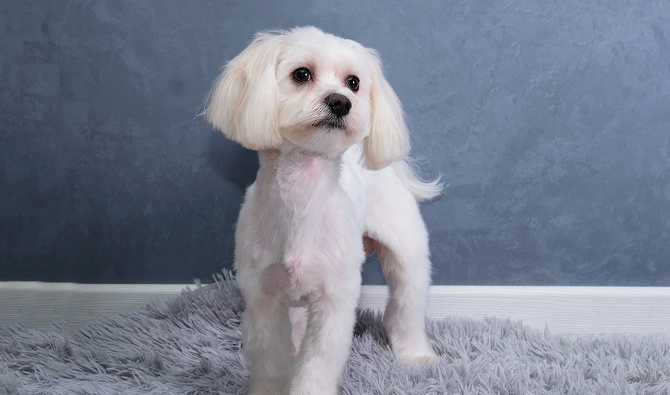
What Is Outdoor Training
Outdoor training is vital for comprehensive puppy education, particularly for breeds like the Maltese that thrive on outdoor stimulation. This training covers leash etiquette, recall, and socialization, all conducted in outdoor settings.
Leash Training
Start with brief walks and gradually extend their duration as your puppy grows accustomed to them. Stay patient and consistent, rewarding your puppy for walking calmly beside you without pulling on the leash.
Recall Training
Begin training in a secure, fenced outdoor space. Practice calling your puppy to come to you, rewarding them each time they respond correctly. Increase the distance gradually as your puppy improves in this skill.
Outdoor Socialization
Introduce your puppy to diverse outdoor environments, people, and animals, ensuring these encounters are positive and friendly. This approach will foster your puppy’s confidence and adaptability as they grow into a well-rounded adult dog.
Keep in mind that outdoor training is a continuous process that demands time, patience, and consistency. However, the reward of having a well-mannered and obedient dog makes the dedication worthwhile.
House training your Maltese puppy is crucial during their early development, establishing the basis for their behavior as they grow into adult dogs. Starting the potty training process may pose challenges, but with persistent effort, patience, and positive reinforcement, your puppy will comprehend and adhere to household rules. This journey will also deepen your bond with your pet as you lead them toward becoming polite and sociable companions. Keep in mind, that every puppy learns differently and at their speed, so cherish each achievement in this fulfilling journey.
Phone 718-306-4136
Email puppyboutique@aol.com
Address 8002 17th Ave, Brooklyn, NY 11214