How To Crate Train A Pomeranian Puppy
Please call or text us at 718-306-4136
Please email us at Puppyboutique@aol.com
8002 17th Avenue, Brooklyn NY 11214
How To Crate Train A Pomeranian Puppy
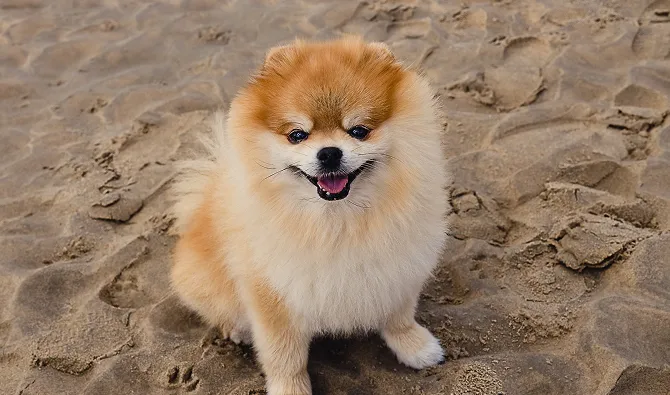
Pomeranian puppies, commonly known as ‘Poms’, are an enchanting breed celebrated for their petite stature, magnificent fur, and lively personality. Their charming traits and distinctive appearance have garnered them global recognition and admiration.
Poms are distinguished by their fox-like face and thick double coat, which comes in various hues including red, orange, cream, black, and sable. Their plush fur is a standout feature, giving them an appearance of greater size despite their typical weight range of 3 to 7 pounds.
Pomeranian puppies are recognized for their lively and spirited demeanor, despite their small size, they exhibit a confident and energetic personality. They are smart, observant, and curious about their environment, making them great companions. However, their assertiveness requires consistent training from an early age.
In addition to their appearance and temperament, Pomeranians are noted for their loyalty and affection towards their human families. They enjoy being the center of attention and are sociable, which makes them ideal for families. Nonetheless, their small size and fragile build mean they are best suited to homes with older children who can handle them gently.
With their distinctive charm and spirited nature, Pomeranian puppies can bring joy to many households. Their loyalty and lively disposition demand committed care and attention, ensuring a fulfilling companionship for those who welcome these energetic little dogs into their lives.
What is Crate Training?
Crate training is a method of teaching dogs to adapt to a crate or cage as their personal space in the home. The aim is to establish a secure and cozy environment that the dog considers its den, promoting both comfort and independence while aiding in toilet training.
To start, it’s crucial to pick a crate that fits the dog’s size, allowing enough room for standing, turning, and lying down comfortably. A crate that is too large might tempt the dog to use one area for sleeping and another for bathroom needs. Once the right crate size is chosen, the dog is introduced gradually. Placing meals, treats, and toys inside can encourage the dog to enter willingly.
Next, initiate positive crate associations by gradually introducing short, supervised periods of confinement. Begin with brief intervals and progressively extend the duration. With time, the dog will learn to view the crate as its haven and willingly spend time there.
Overnight crating typically represents the last phase of crate training, helping dogs learn to control their bladder and bowel movements for extended periods. It’s crucial to ensure the dog has exercised adequately and been given opportunities to empty its bladder and bowels before being placed in the crate for the night.
Crate training is a reliable approach to instill good behavior in dogs and offer them a secure and cozy retreat. It demands patience and regularity, yet the result is a pet that is well-adapted, comfortable with alone time, and adept at house rules. It’s crucial to note that the crate should never serve as punishment, and dogs should not be left alone in it for extended durations, as this may cause anxiety and behavioral issues.
How to Crate Train a Pomeranian Puppy
Using crate training with a Pomeranian puppy can provide a secure and comfortable area for the dog while aiding in-house training. This method involves several essential steps that collectively establish a favorable crate experience for your puppy.
Step 1: Select the Appropriate Crate Size:
To start crate training your Pomeranian, select a crate that fits the puppy well. It should allow enough space for the dog to stand, turn around, and lie down comfortably, without being large enough for the puppy to use one area for bathroom purposes and another for sleeping.
Step 2: Introduce the Puppy to the Crate:
Begin crate training by situating the crate in a central family area. Equip it with a cozy blanket and toys, allowing the puppy to investigate the crate naturally. Encourage your puppy with rewards for entering the crate, establishing positive associations from the start.
Step 3: Feed Meals in the Crate:
Begin serving your puppy meals inside the crate. This helps to build positive associations and increases the puppy’s comfort level with the crate.
Step 4: Begin Short, Supervised Periods of Confinement:
Once your puppy is relaxed eating inside the crate, you can begin to gradually confine them in the crate for short periods while you’re at home. Begin with brief intervals and slowly extend the duration your puppy spends in the crate.
Step 5: Gradual Increase of Crate Time:
Gradually extend the duration of these crate confinement periods over time. Always make sure your puppy has had a chance to relieve itself before being placed in the crate to prevent accidents.
Step 6: Overnight Crating:
Once your puppy is accustomed to longer periods in the crate, you can begin crating them overnight. Ensure the puppy has received adequate exercise and has had an opportunity to relieve itself before being crated for bedtime.
Crate training is a useful method for house training your Pomeranian puppy and offering it a secure, cozy area to unwind. It demands patience and regularity but can yield a well-behaved dog that feels at ease with occasional alone time. Always remember, never use the crate as a punishment, and avoid leaving the puppy crated for extended durations to prevent anxiety and other behavioral issues.
Crate Training for Travel
Crate training is essential not just for house training but also for ensuring safe and comfortable travel with your Pomeranian puppy. Acclimating your puppy to the crate can greatly enhance their travel comfort, ensuring pleasant journeys for both you and your pet. Below are steps to help your puppy prepare for travel experiences.
Introduce the Travel Crate
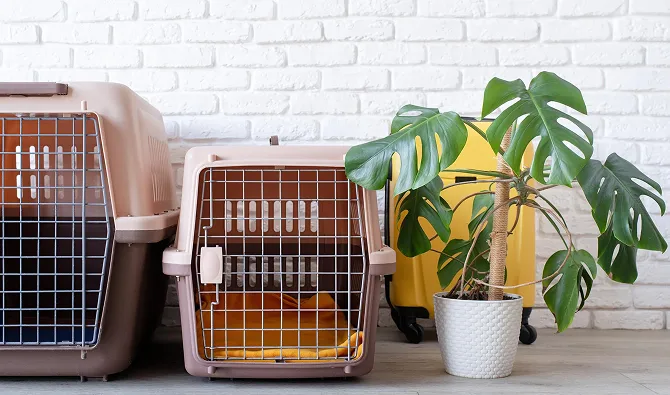
Begin by introducing a travel crate that is of appropriate size for your puppy. This crate should be strong, safe, and have good ventilation. It should provide enough space for your puppy to stand, turn around, and lie down comfortably, yet not be overly spacious to lose the cozy and secure feel of a den.
Create Positive Associations
Similar to crate training at home, establish positive associations with the travel crate. Use treats, toys, and meal times to create a positive and enjoyable experience for your puppy inside the crate.
Practice Short Journeys
Start by taking short journeys with your puppy in the crate, such as a brief drive around the neighborhood. Slowly extend the length of these trips as your puppy becomes more accustomed to traveling in the crate.
Regular Breaks
During extended trips, make sure to take frequent breaks so your puppy can stretch, play, and use the bathroom. Always ensure your puppy is securely leashed before opening the crate in a new or unfamiliar place.
Overnight Stays
Once your puppy is accustomed to longer trips, consider trying an overnight stay using the travel crate. This could be at a pet-friendly hotel or the home of a family member or friend. This experience will help your puppy become familiar with staying in the crate in various environments.
Training your puppy to use a crate for travel requires patience and consistency, similar to training for everyday use at home. It’s crucial to gradually increase your puppy’s comfort with the crate and ensure they associate it with positive experiences. Avoid making journeys stressful; your puppy should feel safe and comfortable in their travel crate at all times. Keep in mind that each dog is unique, and some may require more time to adapt than others. However, the result—a puppy ready to enjoy travel adventures—is a satisfying reward for your efforts.
Phone 718-306-4136
Email puppyboutique@aol.com
Address 8002 17th Ave, Brooklyn, NY 11214