15 Must-Have Items Every First Time Puppy Owner Should Buy
Please call or text us at 718-306-4136
Please email us at Puppyboutique@aol.com
8002 17th Avenue, Brooklyn NY 11214
15 Must-Have Items Every First Time Puppy Owner Should Buy
Whether you’re still researching breeders or getting ready to welcome your new furry family member, understanding puppy essentials is key to successful integration. After all, puppies require a safe, holistic environment that encourages their natural instincts while teaching them routine and structure.
As a soon-to-be or new puppy owner, it’s never too soon to start gathering supplies. From food and water bowls to puppy crates and poop bags, we’ve compiled a list of the 15 most essential items for first-time puppy owners. Read on to discover what you should add to the list next.
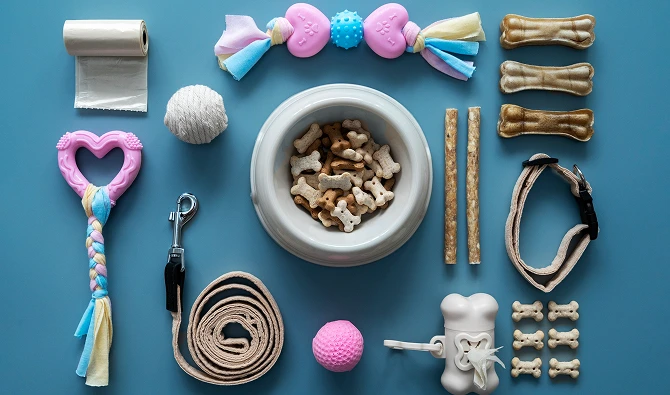
1. Food and Water Bowls
First on our list of puppy supplies, high-quality food and water bowls aren’t just a basic necessity; they help keep your dog healthy. For instance, the best stainless steel and ceramic food bowls are easy to clean, preventing unsanitary buildup that can make your dog sick. Puppies that eat too fast may also benefit from slow feeders, as eating more slowly will improve digestion.
Overall, here are our top recommendations:
- Size: Choose smaller, shallow bowls for puppies to make eating and drinking easier. Depending on the breed, you should size up as your pup grows.
- Quantity: Have at least two bowls on hand so if one is dirty, you don’t have to disrupt your pup’s routine.
- Material: Opt for stainless steel or ceramic. Stainless steel is durable, rust-resistant, and easy to sanitize, while ceramic should always be checked for a lead-free, food-safe glaze.
- Type: Consider slow-feeder bowls for fast eaters or water fountains for picky drinkers.
2. Dog Food and Training Treats
Next on our list of new puppy essentials, food and training treats are the building blocks of your furry friend’s long-term health and energy levels. High-quality puppy food sets them up for success, ensuring they get the vital nutrients they need to grow.
While the ideal puppy food and treats will vary from individual to individual, we’ve compiled some general guidelines. When in doubt, reach out to your veterinarian for professional recommendations.
Harness Fit & Type
Deciding between a raw food diet and a kibble diet often comes down to costs, but if you’re bringing a tiny dog home, raw or freeze-dried is generally the better option. Raw food diets mimic ancestral patterns with high-quality meat and limited processing. This generally means more essential vitamins and minerals, but does come with the caveat of careful handling and storage. If you opt for kibble, look for formulas labeled specifically for puppies with whole proteins, DHA, and joint support.
Training Treats: Types & Healthy Use
These treats are used to train your dog, and should be a limited, but highly-sought after reward. However, with countless options to fill your treat pouch with, here are our recommendations for healthy training treats:
- Soft, bite-sized treats that can be quickly chewed and swallowed during puppy training.
- High-value options (like freeze-dried liver or meat-based treats) for challenging training sessions.
- Look for treats with limited ingredients and no fillers, artificial dyes, or preservatives.
- Mix it up with healthy, whole food options like blueberries, green beans, or tiny pieces of cooked chicken.
3. Puppy Food Storage
Your new pup’s food is only as good as its storage, which is why we recommend investing in airtight storage bins and buckets. Look for containers made of BPA-free plastic or stainless steel with secure, locking lids, and consider buying a convenient scooper. Clear bins and jars are especially helpful for monitoring food and treat levels at a glance.
Ultimately, proper storage helps preserve freshness, prevent pests, and keep out the moisture that leads to mold and spoilage.
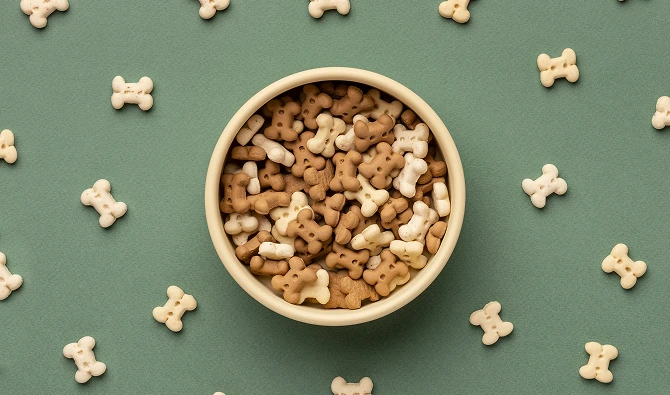
4. Crate or Kennel
Not all puppy parents pursue crate training, but those who do should invest in crates that make their new furry friend feel safe and comfortable. These tools are incredibly useful for housebreaking and routine fixing, as you can take your dog out for a potty break as soon as it’s time to come out of the crate. This is especially true when crates and kennels are introduced positively, as most dogs will come to view their crate as a personal den and not go to the bathroom in or around it.
Here’s what to keep in mind when choosing a crate:
- Size: The ideal crate or kennel size will depend on the size of your puppy, and may change as your puppy grows. In general, they should have enough room to stand, turn around, and lie down, but not so much that they can go to the bathroom on one side and sleep on the other. If you don’t want to buy a bigger crate later on, consider using a divider panel to adjust the space over time.
- Type: Crates are typically categorized between wire, plastic, soft-sided, and heavy-duty options. Wire crates are breathable and foldable for easy at-home use, while plastic and soft-sided crates work as lightweight transportation options for small dogs. Heavy-duty crates should be reserved for large breeds that struggle with anxiety.
- Location: To encourage positive behavior in and around the crate, place the crate in a quiet, low-traffic area during rest time. However, do keep in mind that when training puppies, it may be beneficial to bring it into shared spaces for initial bonding and comfort.
- Accessories: Add a soft crate pad or washable blanket for comfort, but remove anything your puppy might chew and ingest unsupervised.
5. Play Pens and Baby Gates
While you can think of crates and kennels as a long-term relaxation den, exercise pens and baby gates serve as temporary containment while you’re busy or during training. They prevent puppies from accessing unsafe areas or tackling staircases they can’t handle yet.
Here are some examples of play pens and baby gates you might use:
- Freestanding Play Pens: Portable and lightweight, these enclosures are perfect for creating a safe play area both indoors and outdoors. Many even fold flat for convenient storage and transport.
- Pressure-Mounted Baby Gates: The ideal temporary solution for doorways and hallways, these gates install without hardware and are easy to remove.
- Retractable Gates: A sleek, space-saving mesh option that rolls back into a retracted state when not in use. The only downside, they typically require minor installation.
6. Puppy Collars and Tags
No one wants their new puppy to get lost, which is why adjustable collars and ID tags are essential for your peace of mind. Placing one on your pup’s neck will also help them adapt to the feeling of objects touching their fur and skin early on, making them more tolerant in the future.
Aesthetics can play a role, but keep in mind that puppies grow fast. They’ll likely outgrow their first few collars within weeks, meaning that you should consider less expensive options.
7. Harnesses and Leashes
Taking your new puppy for a walk is about more than just physical stimulation—it’s an opportunity to start training basic commands and socialization skills. An appropriately-sized, sturdy leash and harness play a crucial role, helping to prevent neck strain and giving you more control of the situation.
Here’s what to consider when choosing harnesses and leashes for your puppy:
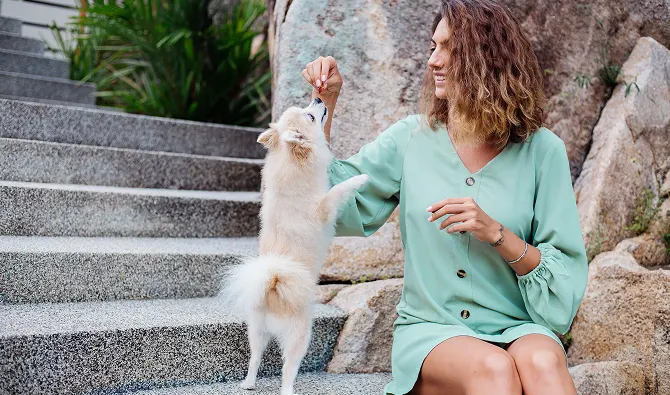
Harness Fit & Type
When choosing a harness, fit is everything. You should be able to slip two fingers comfortably between the straps and your dog’s body. Look for adjustable straps that can help the harness grow with your puppy. Some common options include:
- Step-in harnesses: Great for beginners, these harnesses are easy to put on, making them less intimidating for puppies.
- Over-the-head harnesses: Provide a snugger fit, but may take longer for your pup to adjust.
- Front-clip (no-pull) harnesses: Ideal for leash training and discouraging pulling without discomfort.
Leash Length & Material:
8. Enzymatic Pet Cleaner
As consistent as your hourly potty breaks may be, an enzymatic pet cleaner ensures that you’re prepared if accidents happen. As the name would suggest, these cleaners use natural enzymes to break down the proteins in urine, feces, vomit, and other organic messes—eliminating odors at the source rather than masking them.
This capability plays an essential role in your potty training, as lingering odors can encourage repeat accidents in the same location. Instead, enzymatic eliminate these markers, helping to keep your home clean, fresh, and puppy-friendly.
9. Puppy Pads
Another potty training essential, these potty pads serve as a transitional tool that helps your pup learn where to go. They’re absorbent, leak-proof pads that catch accidents, preventing floor and carpet damage during the first few weeks of training.
For effective use, place puppy pads in a low-traffic area near exits, especially the ones your puppy will use to go to the bathroom outside. Help them use the pad by encouraging the to go after meals, naps, and playtime. When your puppy does use the pad, use positive reinforcement to reward the behavior.
10. Grooming Supplies
Regular grooming is as much about appearances as it is about comfort, hygiene, and overall health. Introducing your puppy to grooming supplies early on helps build a positive association, making it easier for them to adapt to grooming sessions as they grow. From brushing and bathing to teeth and ear care that prevent future vet visits, here are some of the tools you’ll need:
Brushing
- Slicker brush (for long or curly coats)
- De-shedding brush (for double-coated coats)
- Bristle or rubber brush (for short-haired coats)
- Metal comb (for detangling)
- Detangling spray (optional for longer coats)
Bathing
Puppies don’t require frequent baths, but gently introducing them to bath time will make the experience safer and more comfortable later down the line. Here are our supply tips for making bathtime as painless as possible:
- Tear-free puppy shampoo
- Soft towels
- Non-slip mat for the tub or sink
- Cup or sprayer for rinsing
Ear Cleaning
- Dog-safe ear cleaning solution
- Cotton balls or cotton pads
- Grooming wipes (for outer ear)
Paw & Nail Care
Dog lovers know that puppy nails and feet are sensitive, requiring regular trims to prevent discomfort or injury. Regular paw checks also help catch issues like cracked pads or debris between toes. Use tools designed for puppies, and introduce the process slowly with plenty of praise.
- Puppy nail clippers or a nail grinder
- Paw balm or moisturizer
- Towel (to gently hold wiggly pups)
Teeth Brushing
- Dog-specific toothbrush
- Puppy-safe toothpaste
- Dental wipes
- Dental chews
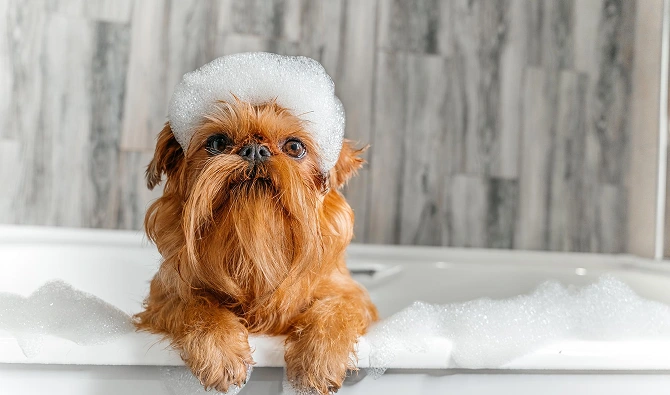
11. Puzzle and Chew Toys
Puzzle Toys
- Treat-dispensing balls
- Snuffle mats
- Interactive puzzle boards
- Kong toys filled with frozen, pet-safe foods
Chew Toys
On top of providing mental stimulation, chew toys also help soothe sore gums during teething. Durable, puppy-safe materials are key to preventing tooth damage or choking. Here are some examples:
- Rubber teething rings
- Puppy-safe bones (made of soft nylon or rubber)
- Dental chew toys with textured surfaces
12. Comfortable Dog Bed
Dogs don’t need to develop joint problems to deserve a high-quality bed. Puppies also benefit from a soft, supportive place to rest, especially while they’re busy sleeping up to 18 hours per day. A comfortable dog bed provides security, supports growing bones, and gives them a consistent place to relax and recharge.
When choosing a bed, consider your puppy’s size, sleep style, and potential for accidents. Orthopedic foam beds offer joint support for large breeds, while bolstered sides may be more comfortable for small pups who like to curl up. Machine-washable bedding is also a must, making cleaning easier.
13. Poop Bags

14. Car Safety Gear
Whether you’re heading to an annual vet check-up or planning a weekend camping trip, you should always prioritize your puppy’s safety in the car. Unsecured pets can easily climb where they shouldn’t, distract you while you’re driving, and even potentially injure themselves during sudden stops. Instead, investing in the right gear keeps everyone safe:
- Harnesses or Seatbelt Attachments: These crash-tested safety straps prevent roaming, keeping your pup safe and secure at all times.
- Travel Crate or Carrier: An excellent choice for small or tiny breeds, these options provide protection and a cozy space for anxious travelers.
- Back Seat Hammock or Seat Cover: Shields your car’s interior from fur, scratches, mud, and accidents.
- Portable Water Bowl: Keeps your pup hydrated on longer drives.
- Pet First Aid Kit: Handy for minor injuries or motion sickness.
15. Emergency Contact List
Emergency contacts aren’t just for humans! Part of caring for your new furry friend is ensuring that they’re taken care of when something goes wrong. Keep a printed copy of this list at home for friends, family, and pet sitters:
- Primary veterinarian’s name, clinic name, and phone number
- Emergency veterinary hospital contact
- Pet insurance provider and policy number
- Your personal phone number and secondary contact (like a family member or pet sitter)
- Local animal control or rescue organization contact info
Become a Dog Owner Today With Puppy Boutique
Stocking up on supplies for your future pup? If you’re looking for an ethical breeder that guarantees healthy, trainable standard, teacup, or toy puppies free from predictable genetic health conditions, opt for Puppy Boutique. We treat all of our puppies and parent dogs like family, and ensure you always receive accurate health records.
Explore our available purebred dogs today. We work with Yorkshire Terriers, Maltese, Shih Tzus, Chihuahuas, Pomeranians, and Poodles.
Phone 718-306-4136
Email puppyboutique@aol.com
Address 8002 17th Ave, Brooklyn, NY 11214